


BMI Calculator for Adults: A Guide to Understanding BMI
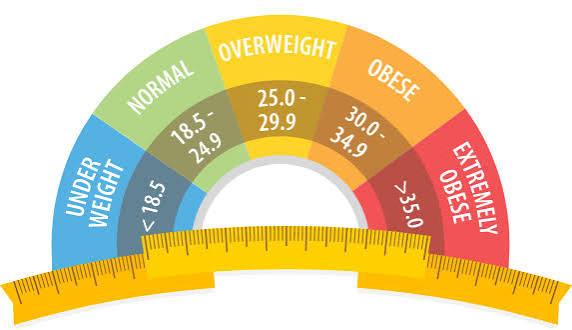
A BMI calculator for adults is a simple tool that estimates body mass index using height and weight. It can help adults understand how their BMI compares with commonly used weight categories and provide a starting point for conversations about healthy weight management.
Although BMI is widely used in healthcare, it should not be treated as a complete measurement of health. Factors such as muscle mass, body composition, age, lifestyle, and medical history can provide additional context.
What Is BMI?
BMI stands for body mass index. It is calculated by comparing a person's weight with their height.
For adults, the commonly used BMI categories are:
-
Underweight: Below 18.5
-
Healthy weight: 18.5 to 24.9
-
Overweight: 25.0 to 29.9
-
Obesity: 30.0 or higher
These categories are intended as general screening ranges and do not independently diagnose a health condition.
How Does a BMI Calculator for Adults Work?
A BMI calculator uses your height and weight to calculate an estimated BMI.
Using kilograms and meters, the formula is:
BMI = Weight (kg) ÷ Height (m)²
For example, an adult weighing 75 kilograms and measuring 1.75 meters tall would have a BMI of approximately 24.5.
An online calculator makes the process easier by performing the calculation automatically after you enter your measurements.
Why Do Adults Use BMI Calculators?
BMI can provide a quick overview of weight status and may help identify adults who could benefit from a more detailed health assessment.
Healthcare providers may consider BMI together with other information, including:
-
Blood pressure
-
Blood glucose
-
Cholesterol
-
Waist circumference
-
Physical activity
-
Nutrition
-
Family medical history
-
Existing health conditions
Using multiple health indicators provides a more complete picture than relying on BMI alone.
What Are the Limitations of BMI?
BMI does not directly measure body fat or distinguish between muscle, bone, and fat. This means that an adult with significant muscle mass may have a higher BMI even without having excess body fat.
BMI also does not indicate where body fat is distributed. Because of these limitations, the result should be interpreted as one screening measurement rather than a definitive assessment of health.
BMI and Healthy Weight Management
A BMI calculator for adults can be a helpful starting point for people interested in understanding their weight. However, healthy weight management involves more than reaching a specific BMI range.
A well-rounded approach may include:
-
Eating a balanced diet
-
Staying physically active
-
Building and maintaining muscle
-
Getting sufficient sleep
-
Managing stress
-
Monitoring important health measurements
-
Discussing concerns with a healthcare professional
Weight goals should be realistic and based on individual health needs.
When Should You Discuss Your BMI With a Doctor?
Consider speaking with a healthcare professional if your BMI concerns you, you have unexplained weight changes, or you have difficulty managing your weight despite lifestyle efforts.
A provider can evaluate your BMI alongside other factors and determine whether additional testing, lifestyle support, or medical weight management may be appropriate.
Final Thoughts
A BMI calculator for adults provides a convenient estimate of body mass index using height and weight. It can be useful for general screening, but it does not account for every factor that influences health.
For a more complete assessment, consider BMI alongside body composition, lifestyle habits, medical history, and other health measurements. Professional guidance can help you understand your results and make informed decisions about your long-term health.

 French