


AI Proofreader A Smarter Way to Improve Modern Writing
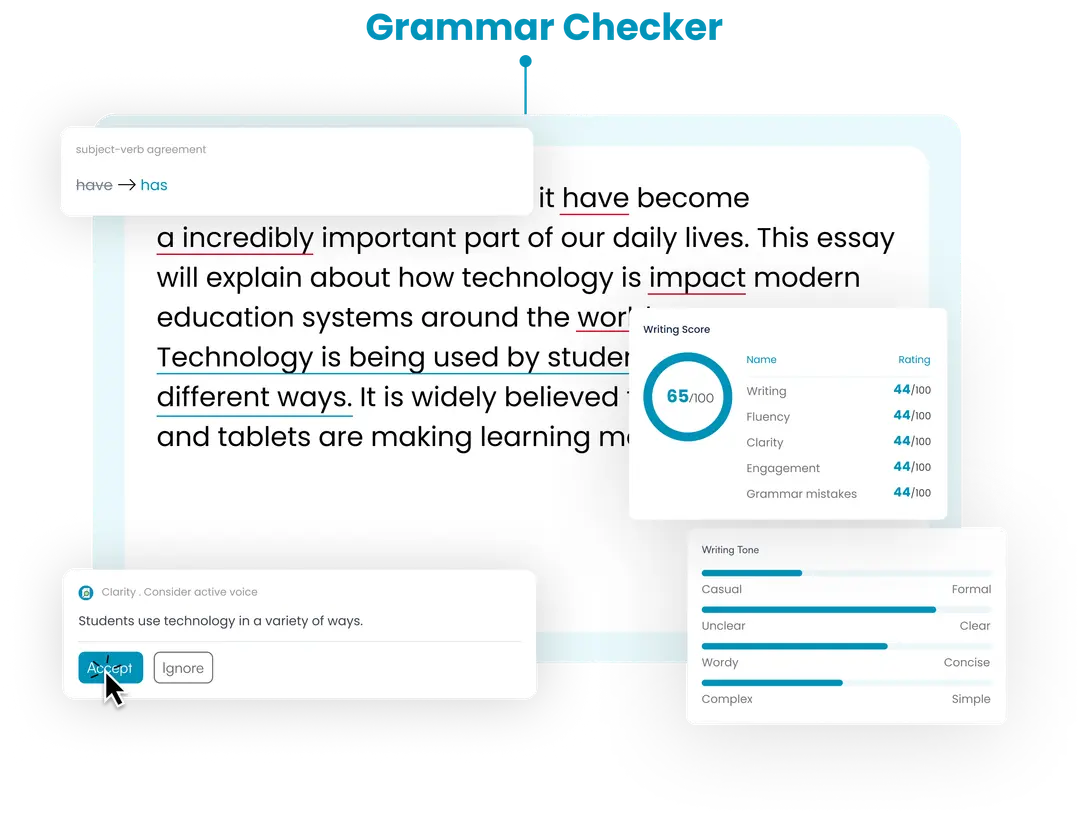
When we finish writing an article, essay, email, or business document, the first draft rarely represents our best work. A sentence may be grammatically correct but awkward, a paragraph may repeat the same idea, or a small punctuation mistake may distract readers from an otherwise valuable message. This is where an AI proofreader can make the editing process faster and more efficient.
Unlike traditional proofreading that depends entirely on manual review, an AI proofreader can examine large amounts of text within seconds and highlight potential problems. For writers, students, marketers, businesses, and content teams, this provides an additional layer of quality control before content reaches its audience.
What Is an AI Proofreader?
An AI proofreader is a digital writing assistant that uses artificial intelligence and natural language processing to analyze written content. It can identify potential grammar, spelling, punctuation, clarity, and style issues while suggesting ways to improve the text.
Modern proofreading technology goes beyond finding obvious spelling mistakes. It can evaluate how sentences work together and identify wording that may be confusing, repetitive, unnecessarily complicated, or inconsistent.
For example, instead of simply identifying a misspelled word, an AI proofreader may recognize that a sentence is too long or that a particular phrase does not fit naturally within its context.
How AI Proofreading Works
AI proofreading systems analyze language patterns within the text. Depending on the tool, the analysis can include grammar rules, sentence structure, word usage, punctuation, readability, and stylistic consistency.
This makes the technology useful for both short messages and longer documents. A writer can review a paragraph before publishing it or analyze an entire article as part of the final editing process.
Why Use an AI Proofreader?
Manual proofreading remains valuable, but reviewing every sentence yourself can be time-consuming, particularly when working with large amounts of content.
Faster Editing
An AI proofreader can scan hundreds or thousands of words quickly. Instead of spending hours searching for minor mistakes, writers can focus their attention on ideas, research, structure, and originality.
This is particularly helpful for content writers, SEO professionals, students, and businesses that regularly produce written material.
Better Grammar and Clarity
Even experienced writers occasionally overlook punctuation errors or awkward sentence construction. AI-powered proofreading can provide another perspective and identify issues that may be missed during a first review.
Suggestions can help make sentences clearer without changing the writer's intended message.
Consistent Writing Style
Businesses often need consistent communication across websites, emails, reports, product descriptions, and marketing campaigns. An AI grammar checker can help identify inconsistent terminology, unnecessary repetition, and stylistic issues.
This can contribute to a more polished and professional brand voice.
AI Proofreading for SEO Content
For websites, proofreading is particularly important because poorly written content can affect the reader's experience.
An SEO article should not simply contain target keywords. It should also be readable, informative, logically organized, and useful to the audience.
An AI proofreader can help identify sentences that feel unnatural after keyword placement, excessive repetition, unclear wording, and other readability problems.
Proofreading Before Publishing
A useful workflow is to complete the article first and then run it through an AI proofreading process. This allows the writer to review potential problems before publication rather than discovering them after the page is live.
However, proofreading should remain part of a broader editorial process. Writers should still verify facts, check sources, review search intent, and ensure that the final article genuinely answers the reader's questions.
AI Proofreader vs. Traditional Proofreading
Traditional proofreading depends heavily on human attention and experience. A professional editor can understand context, tone, intent, audience expectations, and subtle meaning in ways automated systems may not always recognize.
AI proofreading offers speed and scalability.
The most effective approach is therefore not necessarily to choose one over the other. Combining AI-assisted proofreading with human editing can provide both efficiency and contextual judgment.
A writer can use AI to identify potential issues and then decide which recommendations actually improve the finished piece.
Using AI Proofreading Responsibly
AI suggestions should not automatically be accepted. A correction that works grammatically may sometimes weaken the writer's personality or change the intended meaning.
We should review every recommendation and consider whether it fits the context.
For important documents, professional communications, academic work, and published content, human review remains an important final step.
Conclusion
An AI proofreader provides a practical way to make the editing process quicker, more consistent, and more accessible. From correcting grammar and punctuation to improving clarity and readability, AI-powered proofreading can support writers across many different types of content.
For platforms such as Isgen.ai, AI-powered writing technology can form part of a broader approach to understanding and improving digital content. When combined with human judgment, careful research, and thoughtful editing, AI proofreading becomes more than an automatic correction tool—it becomes a useful part of a modern writing workflow.
The goal should always be simple: clearer writing, fewer mistakes, and content that communicates its message effectively to real readers.

 French