


Perfume Packaging: A Complete Guide for US Fragrance Brands
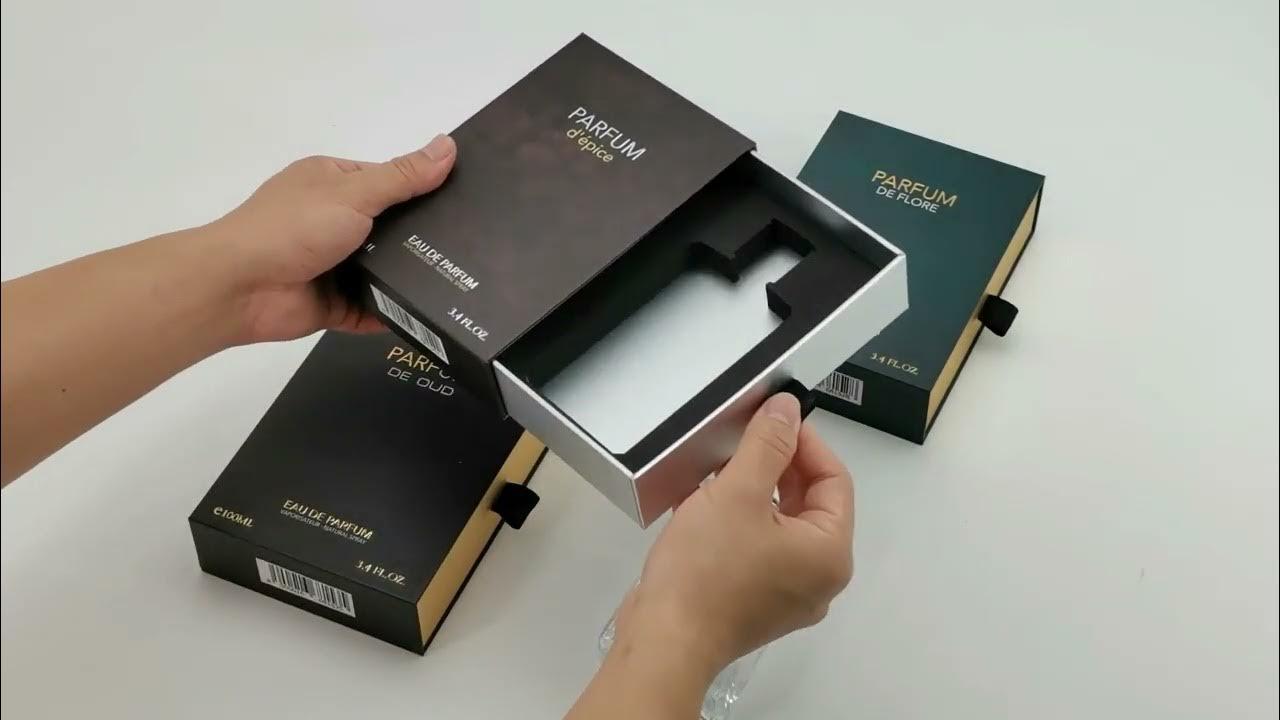
Good perfume packaging does two jobs at once. It protects a fragile glass bottle during shipping and handling, and it signals quality before a customer even opens the box. Getting both right takes more planning than most other cosmetic categories, since fragrance sits at the premium end of the beauty market and customers expect the packaging to match that price point.
Fragrance is one of the most unforgiving categories when it comes to packaging. The product itself is liquid, sealed in glass, and often priced well above other beauty items. That combination means small packaging mistakes show up fast, whether it's a cracked bottle from a poorly padded box or a cheap-feeling finish that undercuts an expensive scent. This guide breaks down what actually goes into strong perfume packaging, from structure to finish to cost planning.
Why Perfume Packaging Carries More Risk Than Other Categories
Glass bottles are fragile. That's the starting point for almost every packaging decision in this category. A cracked bottle doesn't just mean a damaged box. It means lost product and a bad customer experience. It often means a refund too.
This risk is higher for perfume than for many other cosmetics. Creams and lotions usually sit in plastic or more forgiving containers. Perfume bottles are glass. Some also have delicate atomizer pumps or decorative caps that add extra points of failure during shipping.
Because of this, perfume packaging needs to prioritize impact protection. It matters more here than in categories like skincare or haircare. A box that looks great but doesn't hold the bottle securely is a real liability, not just a design flaw.
Labeling Requirements for Fragrance Products
Perfume packaging isn't just about looks and protection. It also carries labeling responsibilities that some brands overlook until late in the process.
US regulations generally require an ingredient list on fragrance packaging, along with net contents and manufacturer information. Some ingredients, like certain allergens common in fragrance formulas, may need specific disclosure depending on how the product is sold and where.
This labeling needs space on the box, and that space has to be planned for early. Cramming required text onto a box after the main design is finished often leads to a cluttered look or, worse, information that's technically present but hard to read. Building labeling into the design from the start avoids this problem entirely.
Rigid Boxes: The Standard for Premium Fragrance
Most fragrance brands use rigid boxes rather than folding cartons. Rigid boxes are thicker and sturdier. They hold their shape under pressure. That matters when boxes get stacked in warehouses or squeezed into shipping containers.
There's also a perception factor. Rigid boxes feel more substantial in hand. That weight reinforces the premium pricing most perfumes carry. A flimsy box next to a $90 bottle of perfume creates a mismatch. Customers notice, even if they can't quite explain why something feels off.
Folding cartons can still work for lower-priced fragrance lines or gift sets where cost matters more than a fully premium feel. But for most standalone perfume products, rigid construction remains the standard for a reason.
Inserts and Internal Protection
The box itself is only part of the equation. What's inside the box matters just as much, sometimes more.
Molded paper pulp inserts and foam inserts are both common in perfume packaging. Their job is simple: hold the bottle firmly in place. It can't shift, tip, or knock against the sides of the box during transit. A bottle that moves even slightly during shipping is far more likely to crack than one held securely in a custom-fit insert.
Getting the insert dimensions right takes precision. Too tight, and the bottle is hard to remove without risking a drop. Too loose, and the bottle isn't actually protected. This is one area where a physical sample matters more than usual. Insert fit is difficult to judge from a digital mockup alone.
Finishes That Match Premium Positioning
Finish choice plays a bigger role in fragrance than in almost any other cosmetics category. Customers expect a certain level of polish before they've even opened the box.
Foil stamping is common for logos and brand names, often in gold, silver, or black. It adds a metallic shine that reads as luxurious without requiring bold color. Embossing or debossing adds a tactile detail, letting customers feel the logo or a decorative pattern before they see it clearly.
Soft-touch matte lamination is another popular choice. It gives the box a smooth, almost velvety texture that feels expensive in hand. Pairing a soft-touch base with a glossy spot UV detail creates contrast without needing extra color, which works well for brands that want a clean, minimal look with a premium edge.
Color and Design Choices in Fragrance Packaging
Color carries a lot of meaning in perfume packaging specifically. Black and gold combinations are extremely common, and for good reason. That pairing has become closely associated with luxury across many product categories, not just fragrance.
That said, not every fragrance brand needs to follow this exact formula. Lighter, fresher scents sometimes use pastel tones or clean white packaging to suggest a lighter, more delicate fragrance profile. Bold, unconventional scents sometimes lean into unexpected colors to stand out from more traditional luxury branding.
The key is matching the packaging's visual tone to the actual scent profile and brand identity, rather than defaulting to black and gold simply because it's expected in the category.
Sustainability in Fragrance Packaging
Sustainability is becoming more relevant in fragrance, even though this category has traditionally leaned heavily on materials that aren't easily recyclable, like laminated boxes with mixed materials or excessive plastic components.
Some fragrance brands are shifting toward recyclable rigid boxes, reducing plastic components in inserts, and using FSC-certified paperboard. This shift doesn't require giving up the premium feel that fragrance packaging depends on. Recycled and certified materials can still support foil stamping, embossing, and soft-touch finishes at a high level of quality.
Brands that highlight this shift, through clear labeling or messaging on the box itself, often build additional trust with customers who care about sustainability alongside quality.
Cost Considerations for Perfume Packaging
Perfume packaging tends to cost more than packaging for other cosmetics categories. Rigid construction, custom inserts, and premium finishes all add expense compared to a simple folding carton.
A few factors influence the final cost most heavily. Insert complexity is one, since custom-molded inserts cost more than simple dividers. Finish choice is another. Foil stamping and embossing both add production steps compared to standard printing. Order volume matters as well. Per-unit costs drop meaningfully as quantity increases, similar to most other packaging categories.
Smaller, newer fragrance brands often start with a modest first order to validate the design and packaging performance before committing to a larger wholesale run. This staged approach limits financial risk while still allowing for a premium first impression.
Common Mistakes in Perfume Packaging
A handful of mistakes show up repeatedly with fragrance packaging, and most of them are avoidable with proper planning.
Skipping a physical sample is one of the most common. Screen mockups don't accurately show how foil, embossing, or soft-touch lamination will actually look and feel. Underestimating insert precision is another. A loose-fitting insert undermines both protection and the premium unboxing experience customers expect. Choosing a finish that doesn't match the scent's positioning is a third mistake, since a mismatch between packaging tone and fragrance profile can confuse customers about what they're actually buying.
Catching these issues before a full production run saves both money and brand reputation.
Building Long-Term Brand Recognition Through Packaging
Fragrance customers often become repeat buyers, especially once they find a scent they love. Consistent packaging across a brand's full line makes that recognition easier to build over time.
Working with one reliable custom packaging boxes supplier helps maintain that consistency across an entire fragrance lineup. A dependable packaging partner can carry the same finishes, color accuracy, and structural quality across every product, from a hero fragrance to newer additions in the line.
Frequently Asked Questions
Why do most perfume brands use rigid boxes instead of folding cartons? Rigid boxes are sturdier and feel more premium in hand, which matches the pricing and positioning most fragrance brands rely on.
Are custom inserts necessary for every perfume bottle? For fragile glass bottles, yes. A properly fitted insert significantly reduces the risk of cracks or leaks during shipping and handling.
Can perfume packaging be sustainable without losing its premium feel? Yes. Recycled and FSC-certified materials can still support foil stamping, embossing, and soft-touch finishes at a high quality level.
What's the biggest packaging mistake fragrance brands make? Skipping a physical sample before full production is the most common and costly mistake, since screen mockups don't accurately show finish quality or insert fit.
Final Thoughts
Strong perfume packaging has to do more work than packaging for most other cosmetics categories. It needs to protect a fragile glass bottle, reflect a premium price point, and reinforce the brand's identity, all at the same time. Brands that invest in the right structure, insert precision, and finish choices tend to see fewer damaged shipments and a stronger first impression with every customer who opens the box.

 English