


Common Mistakes to Avoid When Buying orSlow Clothing
Buying orSlow clothing can be rewarding when you understand the differences between its fits, fabrics, historical references, and sizing. The collection includes denim, military trousers, workwear, shirts, jackets, shorts, and accessories, so choosing the right piece requires more than selecting a familiar size or attractive color. Many purchasing problems happen because buyers focus on appearance while overlooking measurements, fabric behavior, intended fit, or the condition of a secondhand garment. Avoiding a few common mistakes can make it easier to choose pieces that fit properly and remain useful for years.
1. Choosing Your Normal Size Without Checking Measurements
One of the most common mistakes is assuming that your usual size will automatically produce the right fit. orSlow sizing can vary between garments because different models are based on different historical silhouettes. A trouser designed with a relaxed workwear shape will naturally fit differently from a slimmer denim model even when both carry the same labeled size. Always compare waist, rise, thigh, inseam, chest, shoulder, and sleeve measurements with a garment you already own. This is especially useful when shopping online because product labels alone cannot explain how a particular model will sit on your body.
2. Buying Denim Without Understanding the Fit
Not every pair of orSlow jeans is intended to create the same silhouette. The 105 Standard and 107 Ivy Fit, for example, have different design intentions, so choosing between them simply because both are five-pocket jeans can lead to disappointment. Before buying orSlow Jeans, decide whether you want a traditional straight shape, a cleaner Ivy-inspired profile, or another proportion. Look at the rise and leg shape as carefully as the waist measurement. A pair that fits correctly at the waist can still look wrong if the thigh, knee, or hem does not suit your preferred proportions.
3. Ignoring Fabric Weight
Fabric weight has a major influence on comfort, appearance, and seasonal use. A buyer may select a pair of jeans based only on color and discover later that the denim feels heavier or lighter than expected. orSlow Denim includes different fabric constructions, so shoppers should check the stated weight and material before ordering. Heavier denim can feel substantial and may develop strong fading with wear, while lighter denim can be easier for warmer conditions. Understanding this difference prevents the common mistake of treating every denim model as though it will feel identical.
4. Assuming Every Garment Has the Same Historical Inspiration
The brand's clothing draws from several traditions, and not every product represents the same type of heritage clothing. Some pieces reference American military uniforms, others reflect European workwear, and certain garments focus on classic denim or everyday casual clothing. A buyer interested in military clothing may be disappointed by a product inspired mainly by civilian workwear. Researching the background of the individual model helps you understand its details and explains why its pockets, proportions, fabric, and construction may differ from another garment in the collection.
5. Buying a Jacket Without Considering Layering
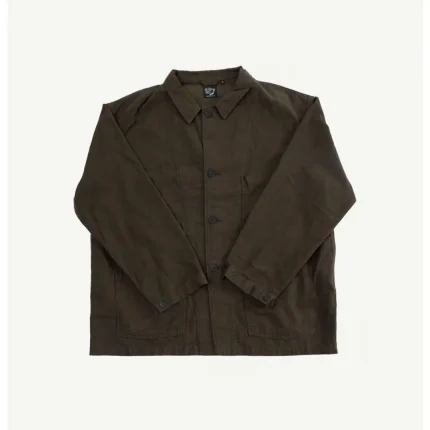
A jacket can look perfect on its own but become uncomfortable when worn over the clothes you normally use. Before buying an orSlow Jacket, think about whether you plan to wear it over a T-shirt, shirt, sweatshirt, or thick knit. Check chest width, sleeve length, shoulder measurements, and body length rather than relying only on the labeled size. Roomier workwear-inspired jackets can accommodate heavier layers, while more fitted designs may work best over lightweight clothing. Planning the layers first can prevent a jacket from spending most of its time in the wardrobe because it feels restrictive.
6. Choosing a Shirt Based Only on Chest Size
A shirt's appearance depends on more than the chest measurement. Collar size, shoulder width, sleeve length, body length, and overall volume can completely change how the garment looks. orSlow Shirts often draw from historical workwear and military patterns, so some models may intentionally have proportions that differ from modern slim shirts. If you prefer a traditional relaxed appearance, sizing down simply to achieve a narrow chest can create problems elsewhere. Check the complete measurement chart and compare it with a shirt that already fits you well.
7. Buying Fatigue Pants Without Checking the Rise
The rise is often overlooked when purchasing trousers, yet it can dramatically change the way they feel and appear. orSlow Fatigue Pants are influenced by military trousers, and their proportions may differ from contemporary low-rise pants. A higher rise can provide more room around the waist and upper leg while creating a different visual relationship between the shirt and trousers. If you normally wear low-rise trousers, do not assume that a military-inspired model will feel familiar. Compare the rise measurement before purchasing, especially when ordering online.
8. Expecting Raw Denim to Feel Soft Immediately
Some buyers purchase denim because they like the appearance of a particular model but become frustrated when the fabric initially feels firm. Certain Japanese denim fabrics are intentionally developed with structure and can require regular wear before becoming noticeably softer. With orSlow Denim, the initial texture should be considered part of the wearing experience rather than an automatic sign of poor comfort. If you prefer softness from the first day, look for a washed or lighter fabric option instead of choosing a rigid model and expecting it to feel like broken-in denim immediately.
9. Washing Denim Too Aggressively
Frequent hot washing, harsh detergent, and careless drying can change the appearance and dimensions of denim faster than expected. orSlow Jeans can develop attractive fading through regular wear, but excessive washing can also remove color and affect the fit. Always follow the care instructions supplied with the specific garment. When you want to preserve deeper indigo or encourage gradual aging, consider how often the jeans actually need cleaning rather than automatically washing them after every few wears. Proper care allows the fabric to change naturally without unnecessary stress.
10. Buying Only Because a Product Is Popular
A popular garment is not automatically the best garment for your wardrobe. The 105 Standard may be widely recognized, but someone who rarely wears jeans might receive more use from a work shirt, jacket, or pair of utility trousers. Popularity should be treated as information rather than a purchasing command. Look at your current clothing and identify what is missing. If you already own several pairs of blue jeans, buying another simply because it is considered a classic may create duplication instead of improving your wardrobe.
11. Ignoring Color Compatibility
A distinctive color can look impressive in product photographs but become difficult to wear with the rest of your clothing. Before purchasing, consider whether the shade works with your existing footwear, tops, outerwear, and accessories. Neutral indigo, olive, navy, black, gray, and natural tones are generally easier to combine than highly unusual seasonal colors. This does not mean unusual shades should be avoided; they simply require more planning. A color that works with several existing outfits will usually provide better long-term value.
12. Buying Secondhand Without Examining Condition
Used orSlow clothing can be excellent, especially when discontinued models or naturally faded garments are available, but condition must be checked carefully. Look at photographs of the knees, crotch, seat, cuffs, pockets, collar, and seams because these areas often show the most wear. Ask for exact measurements if they are missing from the listing. Vintage-inspired clothing can have natural signs of use, but thinning fabric, major repairs, alterations, or stretched waistbands should affect the price. Do not confuse desirable fading with structural damage when evaluating secondhand pieces.
13. Assuming Every Product Is Suitable for Every Season
Fabric thickness and garment construction can make certain pieces more comfortable at specific times of the year. Heavy denim, substantial jackets, and dense workwear fabrics may be excellent for cooler weather but uncomfortable during hot summers. Lightweight shirts, chambray, and shorter trousers can offer better options when temperatures rise. When choosing orSlow Shorts, for example, think about how the fabric and fit will work with your summer wardrobe rather than buying them simply because the design looks good. Seasonal planning helps ensure the garment receives regular use.
14. Treating Historical Details as Decoration
Many details in the collection exist because they were functional in the original garments that inspired them. Large pockets, unusual closures, reinforced seams, wider legs, and specific fabric choices often have historical reasons. Learning why these features exist can help you decide whether the garment suits your lifestyle. If you prefer minimal clothing without visible utility details, a heavily workwear-inspired product may not be the right choice. Understanding the design history makes it easier to appreciate the garment and avoid purchasing something whose character does not match your taste.
15. Forgetting About the Rest of Your Wardrobe
Buying several orSlow pieces at once can create an attractive collection, but it may also produce too many garments with similar colors, shapes, or historical references. A wardrobe becomes more useful when individual pieces serve different purposes. For example, a pair of denim jeans, fatigue trousers, a work jacket, and a chambray shirt can create more variety than purchasing three nearly identical pairs of trousers. Think about what each new item adds before buying it. The strongest purchases are usually those that expand your outfit choices rather than simply increasing the number of clothes you own.
16. Purchasing From an Unreliable Seller
Authenticity matters when buying expensive Japanese clothing, particularly for discontinued or highly sought-after models. Check the seller's reputation, product photographs, measurements, return policy, and description before paying. Be cautious when a product is offered at an unusually low price without a clear explanation. Official retailers and established specialist stores provide greater confidence than anonymous marketplace listings. When buying secondhand, ask questions about the garment's history and condition rather than relying entirely on stock photographs.
17. Buying a Rare Piece Before Learning the Core Collection
Rare releases can be tempting because scarcity creates excitement, but a first purchase does not need to be unusual. Understanding the core collection first gives you a better reference point for evaluating special releases. Once you know how the brand's standard denim, trousers, shirts, and jackets fit, you can make more informed decisions about limited or unusual products. This approach also helps distinguish genuine personal preference from the pressure created by a product becoming difficult to find.
18. Final Thoughts
The biggest mistakes when buying orSlow clothing usually come from purchasing too quickly. Checking measurements, understanding fabric weight, identifying the historical inspiration, considering your existing wardrobe, and researching the seller can prevent most problems. The brand's clothing is designed around distinctive proportions and materials, so the right purchase should be judged by how well it fits your body and lifestyle rather than by popularity alone. Whether you choose denim, fatigue trousers, a jacket, shirts, or shorts, careful research will help you select a garment that you can genuinely enjoy wearing for years.

 French