


Why Choose Haibodoor Custom Cabinet Factory For Modern Home Projects
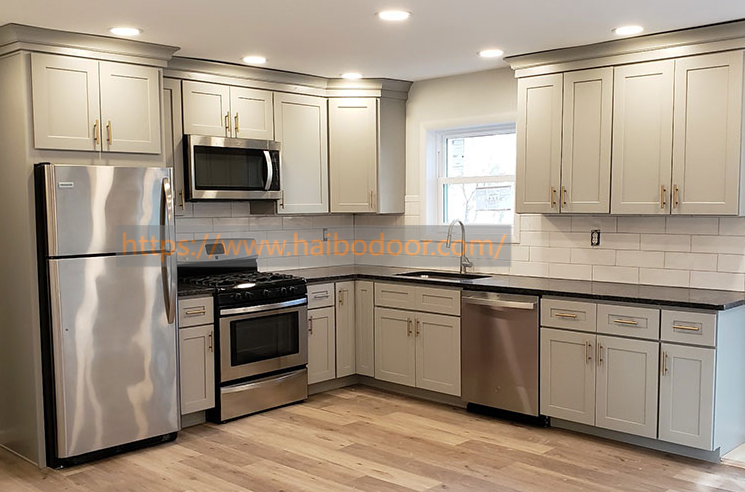
Custom Cabinet Factory services can connect a homeowners design idea with the practical requirements of a modern living space. Instead of relying only on fixed sizes, customized production can take room dimensions, storage habits, material preferences, finishes, hardware, and layout requirements into account. The process can cover design consultation, technical drawings, material preparation, manufacturing, assembly, inspection, and packaging.
It Starts With The Actual Space
Modern homes rarely have identical layouts. Kitchens may include corners, columns, windows, appliances, or unusual wall dimensions. Bedrooms may need built-in storage around beds or windows, while living rooms may require cabinets for books, media equipment, displays, or household items.
The production process therefore begins with measurements and planning. Haibodoor describes its custom cabinet process as starting with design consultation and moving toward detailed technical drawings based on the specific space and intended use.
Accurate measurements help designers determine suitable widths, heights, depths, shelf positions, drawer arrangements, and appliance spaces before manufacturing starts.
Design Becomes A Technical Plan
A visual concept needs to become a practical production document. Technical drawings can show dimensions, panel sizes, component locations, hardware positions, material allocation, and assembly information.
This stage is important because a modern kitchen or storage wall may contain many separate components. A small change to one measurement can affect adjacent sections, appliance openings, or installation clearances.
Haibodoor explains that its engineering stage uses detailed production drawings to translate design concepts into manufacturing information.
For homeowners and designers, reviewing these drawings before production provides an opportunity to confirm the arrangement and make necessary adjustments.
Material Selection Shapes The Result
Different cabinet materials provide different characteristics and visual effects. Common choices include MDF, plywood, particleboard, solid wood, laminate, and veneer.
MDF provides a smooth engineered surface that can be suitable for painted finishes, while plywood and other board constructions may be selected according to structural or environmental considerations. Surface materials can also influence the appearance and maintenance routine of the finished furniture.
Haibodoor offers cabinetry with different material and finish options, allowing buyers to discuss suitable combinations according to the intended application.
The right selection depends on the room, budget, design concept, expected use, and maintenance preferences rather than one material being suitable for every project.
Storage Can Follow Daily Routines
One benefit of customized production is the ability to organize storage around how a household actually uses a room.
Kitchen layouts can allocate spaces for cookware, dishes, food preparation equipment, appliances, and frequently used items. Bedroom cabinetry can include hanging sections, drawers, shelves, and dedicated areas for different belongings.
In living areas, storage may need to accommodate books, electronics, decorations, documents, or household accessories.
Modern cabinetry is therefore not simply about filling an empty wall. The layout can be developed around the users daily habits and the available space.
Hardware Needs Early Planning
Handles, hinges, drawer runners, lift mechanisms, shelf supports, and other hardware affect the construction and installation process.
Technical drawings should show relevant hardware positions before manufacturing begins. This helps ensure that component placement works with the cabinet dimensions and intended usage.
For kitchens, hardware selection can also influence drawer depth, opening clearance, corner arrangements, and appliance integration.
Discussing these details early gives designers and homeowners a clearer picture of how the finished storage system will operate.
Surface Finishes Connect Different Rooms
Modern interiors often use a coordinated palette throughout the home. Cabinet surfaces may need to work with flooring, wall finishes, countertops, furniture, and lighting.
Popular contemporary approaches include clean flat surfaces, wood-inspired textures, neutral tones, and combinations of contrasting materials. Current interior design coverage also points to flat-panel cabinetry as a continuing option for contemporary kitchens because of its simple visual structure and adaptability.
A manufacturer can provide samples so buyers can compare colors and textures before confirming the production details.
Manufacturing Turns Drawings Into Components
Once the design and materials have been approved, manufacturing begins. Panels are cut according to production drawings, followed by drilling, edge treatment, surface finishing, hardware preparation, and assembly.
Modern cabinet production can combine CNC machinery with other woodworking equipment to produce repeated components according to defined dimensions. Haibodoor describes cutting, shaping, drilling, assembly, and finishing as parts of its custom cabinet manufacturing process.
The production stage is where accurate planning becomes especially important because multiple components need to work together during final installation.
Inspection Provides A Final Reference
Before shipment, the finished products can be checked against approved drawings, samples, surface requirements, dimensions, hardware arrangements, and packaging instructions.
For a customized home project, inspection can help identify visible issues before the products arrive at the installation location.
Haibodoor also describes quality inspection as part of its custom cabinetry production process, with attention given to materials, dimensions, finishes, assembly, and other project requirements.
Buyers can also establish their own inspection criteria when discussing a project with the manufacturer.
Packaging And Delivery Complete The Process
Cabinet components may need to travel separately before reaching the installation site. Proper packaging can protect finished surfaces and edges while keeping different components identifiable.
Clear labels can be useful when a project contains many units. Installers can match packages with room layouts, drawings, or cabinet numbers, reducing unnecessary handling during installation.
For international projects, packaging and shipping preparation become even more relevant because products may pass through several stages of transportation before arriving at the final destination.
Why Haibodoor Can Support Modern Homes
Haibodoor provides customized cabinetry for kitchens and other home storage applications, with options covering different layouts, materials, finishes, and functional requirements. Its product range includes kitchen cabinetry designed around different room arrangements and customer preferences.
For homeowners, builders, interior designers, and distributors, choosing a manufacturer involves looking at the complete process rather than only the finished appearance. Measurements, design communication, technical drawings, material selection, hardware planning, manufacturing, inspection, and packaging all contribute to the final project.
A customized approach can be especially useful when a home contains unusual dimensions or when storage needs to follow a specific lifestyle. Buyers can review available options in the https://www.haibodoor.com/product/ and consider suitable cabinetry configurations for modern residential projects.

 English