


Cancer Vaccine Development & Tumor Microenvironment Modulation
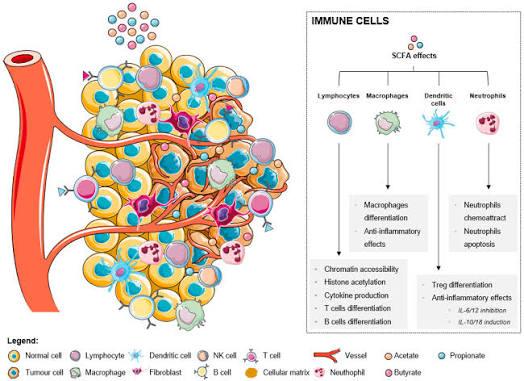
The success of cancer immunotherapy depends not only on generating anti-tumor immune responses but also on overcoming the formidable barriers within the tumor microenvironment (TME) that suppress those responses. Cancer Vaccine Development aims to generate or amplify T-cell responses against tumor antigens, but even potent vaccines often fail in patients with established tumors because the TME actively suppresses immune function. Tumor Microenvironment Modulation refers to strategies that alter the TME to make it more permissive to immune attack. These include blocking immunosuppressive cytokines (TGF-β, IL-10), depleting regulatory T cells (Tregs) or myeloid-derived suppressor cells (MDSCs), modulating tumor metabolism (hypoxia, acidosis, tryptophan catabolism), and targeting stromal cells that shield the tumor. The most successful immunotherapies—checkpoint inhibitors—are themselves TME modulators, blocking PD-1/PD-L1 or CTLA-4 signals that suppress T cells within the TME. For oncologists, immunologists, and drug developers, the comprehensive analysis on Cancer Vaccine Development provides essential insights.
H2: The Immunosuppressive Tumor Microenvironment
The Tumor Microenvironment Modulation target is a complex ecosystem of cancer cells, immune cells, stromal cells, blood vessels, and extracellular matrix. Key immunosuppressive elements:
Regulatory T cells (Tregs): CD4+FoxP3+ T cells that suppress effector T cells through IL-10, TGF-β, and CTLA-4. High Treg infiltration correlates with poor prognosis in many cancers.
Myeloid-derived suppressor cells (MDSCs): Immature myeloid cells that suppress T cells through arginase (depleting arginine), reactive oxygen species, and nitric oxide. MDSCs accumulate in tumor-bearing hosts.
Tumor-associated macrophages (TAMs): M2-polarized macrophages that promote tumor growth, angiogenesis, and immune suppression through IL-10, TGF-β, and PD-L1 expression.
Immunosuppressive cytokines: TGF-β inhibits T-cell activation and promotes Treg differentiation; IL-10 suppresses antigen presentation; VEGF promotes angiogenesis and suppresses dendritic cell maturation.
Metabolic barriers: Hypoxia (low oxygen) upregulates PD-L1 and attracts MDSCs. Acidosis (low pH) impairs T-cell function. Tryptophan catabolism by IDO (indoleamine 2,3-dioxygenase) depletes tryptophan, arresting T-cell proliferation.
Checkpoint ligands: PD-L1 and PD-L2 expressed on cancer cells and TAMs engage PD-1 on T cells, suppressing activation. This is the target of checkpoint inhibitors.
Cancer Vaccine Development alone cannot overcome these barriers; vaccines generate T cells, but T cells entering the TME are suppressed. Combination with TME modulators is essential.
H2: Cancer Vaccine Development Strategies
Cancer Vaccine Development aims to present tumor antigens to the immune system in a way that generates robust, durable T-cell responses. Vaccine platforms include:
Peptide vaccines: Synthetic peptides corresponding to tumor-associated antigens (TAAs) or neoantigens (patient-specific mutations). Administered with adjuvants (Montanide, poly-ICLC) to enhance immunogenicity.
Protein/DC vaccines: Sipuleucel-T (PAP-GM-CSF) uses patient's dendritic cells as the vaccine platform. More complex than peptide vaccines but potentially more immunogenic.
Viral vector vaccines: Engineered viruses (adenovirus, vaccinia, listeria) expressing tumor antigens. Viruses provide danger signals that activate innate immunity.
DNA/RNA vaccines: Plasmid DNA or mRNA encoding tumor antigens. mRNA vaccines (like COVID-19 vaccines) are rapidly deployable and allow neoantigen vaccination within weeks of tumor sequencing.
Neoantigen vaccines: Personalized vaccines targeting mutations unique to the patient's tumor. Neoantigens are not present on normal tissues, so vaccine-induced T cells do not cause autoimmunity. Neoantigen vaccines are in clinical trials for melanoma, glioblastoma, pancreatic cancer, and others.
Tumor Microenvironment Modulation enhances vaccine efficacy by: depleting Tregs (low-dose cyclophosphamide, anti-CD25 antibodies), blocking MDSC recruitment (CXCR2 inhibitors), inhibiting IDO (epacadostat, though clinical trials failed), blocking TGF-β (fresolimumab, galunisertib), and agonizing costimulatory receptors (OX40, 4-1BB, GITR).
H2: Combination Strategies
The most promising approach combines Cancer Vaccine Development with Tumor Microenvironment Modulation and checkpoint inhibition. Preclinical models show synergy: vaccine generates T cells, TME modulation improves T-cell infiltration and function, checkpoint inhibitors prevent T-cell exhaustion.
Clinical examples:
Melanoma: Neoantigen vaccine plus anti-PD-1 (pembrolizumab) produced complete responses in some patients with advanced melanoma who had progressed on checkpoint inhibitors alone.
Glioblastoma: Personalized neoantigen vaccine plus anti-PD-1 prolonged survival compared to historical controls.
Pancreatic cancer: Neoantigen vaccine (mRNA) plus anti-PD-L1 (atezolizumab) plus chemotherapy is in Phase II.
Tumor Microenvironment Modulation without vaccine may be insufficient; patients with T-cell-inflamed tumors respond better to checkpoint inhibitors than those with non-inflamed ("cold") tumors. Vaccines can convert cold tumors to hot tumors by recruiting T cells.
H2: Future Directions
The future of Cancer Vaccine Development includes individualized neoantigen vaccines produced rapidly (4-6 weeks from biopsy to vaccine) using mRNA or synthetic peptide platforms, off-the-shelf vaccines targeting shared neoantigens (common mutations in KRAS, TP53, IDH1), and prime-boost strategies (different vaccine platforms to amplify response). For Tumor Microenvironment Modulation, new targets include adenosine pathway (A2A receptor antagonists), immune metabolism (glutaminase inhibitors), and stromal modulation (FAP-targeted therapies). For oncologists and immunologists, the market research available on Tumor Microenvironment Modulation offers comprehensive guidance.

 French