


How Floating Ball Valves Support Fluid Control
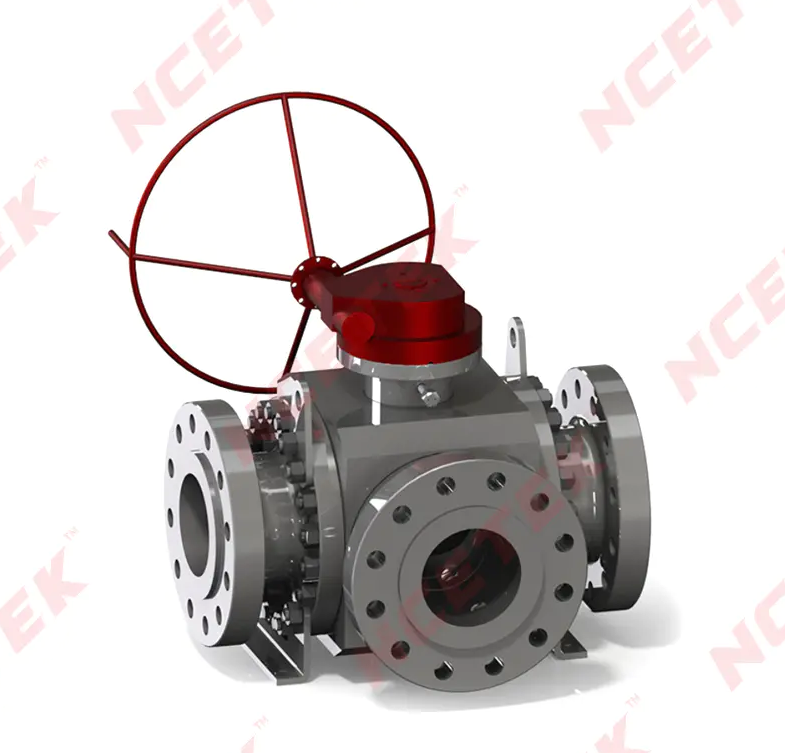
Cast steel floating ball valves are widely used in industrial piping because their structure combines a relatively simple operating principle with adaptable material and sealing options. From a manufacturing perspective, reliable performance depends on more than the shape of the valve body. Casting quality, internal passage accuracy, ball surface preparation, seat compatibility, and inspection procedures all influence how the finished valve behaves in service. For buyers and engineering teams evaluating a Cast Steel Floating Ball Valve, understanding the relationship between material engineering and flow control performance is essential.
The valve body is commonly produced through a casting process that allows manufacturers to create complex internal passages and external connection structures. Casting is useful for industrial valve production because it supports different body configurations while reducing the need to assemble numerous separate components. However, the quality of the final body depends heavily on mold design, metal cleanliness, pouring control, cooling conditions, and post-casting treatment. Inadequate control may lead to inclusions, porosity, dimensional variation, or uneven wall sections. These defects can affect pressure containment and may become more serious when the valve operates under repeated thermal or mechanical stress.
Material selection should reflect the fluid, operating environment, and expected service conditions. Carbon steel is often selected for general industrial applications where strength and cost balance are important. Stainless steel may be considered when corrosion resistance is a greater concern, particularly in systems exposed to moisture, aggressive chemicals, or demanding process media. Alloy steel can provide additional performance advantages where temperature, mechanical loading, or specific chemical conditions require a more specialized material solution. The body material should always be evaluated together with the ball, stem, seat, and other wetted components rather than selected independently.
The floating ball mechanism uses line pressure to help press the ball against the downstream seat. This principle can provide effective shutoff while keeping the internal structure comparatively straightforward. Because the ball is not fixed on a trunnion, the seat design becomes especially important. The seat must accommodate movement, maintain contact with the ball, and resist wear caused by pressure, temperature, and repeated operation. Self-lubricating polymers are frequently considered for suitable applications, while other seat materials may be used when temperature or chemical compatibility requires a different approach.
Ball surface quality is another important manufacturing factor. The ball must have a smooth and accurately finished surface so that it can rotate without excessive friction or damage to the seats. Machining accuracy influences sealing consistency, operating torque, and service life. Even small surface irregularities may create leakage paths or accelerate seat wear. For this reason, manufacturers generally use controlled machining, polishing, dimensional inspection, and cleanliness procedures to prepare the ball and related internal parts. The final assembly process must also prevent foreign particles from becoming trapped between the ball and seat.
The stem and stem sealing arrangement deserve equal attention. The stem transfers external operating force to the ball, so it must provide sufficient mechanical strength while maintaining smooth movement. Stem seals must limit fugitive leakage and remain compatible with the temperature and chemical characteristics of the medium. Proper packing compression, surface finish, and assembly alignment can influence sealing performance. Anti-static features may also be incorporated where the application requires measures to reduce the accumulation of electrostatic charge during operation.
Testing provides a practical way to confirm whether the manufacturing process has produced a dependable valve. Body tests evaluate pressure containment, while seat tests examine shutoff performance. Additional inspections may include dimensional checks, visual examination, material verification, non-destructive testing, and functional operation. The appropriate inspection scope depends on the valve’s intended application and the relevant purchasing or industry requirements. Consistent documentation is valuable because it allows engineering teams to trace material batches, inspection results, and production stages.
Installation and maintenance also influence long-term performance. The pipeline should be properly aligned so that external loads are not transferred unnecessarily to the valve body. Before commissioning, the internal passage should be cleaned, and the valve should be operated through its full travel to confirm smooth movement. During service, maintenance teams should monitor signs of increasing torque, external leakage, irregular operation, or contamination. A valve that is correctly selected and installed can still experience premature wear if the medium contains abrasive particles or if the pipeline is subjected to repeated vibration.
For industrial users, the best purchasing decision involves reviewing the complete engineering chain from casting and machining to testing and after-sales technical support. A Cast Steel Floating Ball Valve should be assessed according to material suitability, sealing structure, operating conditions, maintenance requirements, and the manufacturer’s quality control practices. Companies developing dependable flow control systems can review the industrial valve solutions available through https://www.ncevalve.com/product/ when comparing designs for specific pipeline applications.

 French