


Hand and power tools are essential equipment
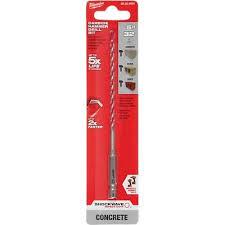
Hand And Power Tools
Hand and power tools are essential equipment used for construction, repair, maintenance, woodworking, automotive work, and many other practical tasks. While hand tools are operated mainly through manual effort, power tools use electricity, batteries, or other power sources to complete tasks more quickly and efficiently. Choosing the right tool for a specific job can improve accuracy, productivity, and safety.
What Are Hand Tools?
Hand tools are tools that do not require an external power source. They are operated using physical force and are commonly used for everyday repair, installation, assembly, and maintenance work. Examples include hammers, screwdrivers, pliers, wrenches, chisels, measuring tapes, and utility knives.
Hand tools are generally simple to operate and easy to carry. They are useful for tasks where precision and control are important. For example, a screwdriver can be used to tighten or loosen screws, while a wrench can help install or remove nuts and bolts.
What Are Power Tools?
Power tools are equipment designed to perform tasks using an external source of power. Most modern power tools operate through electricity, rechargeable batteries, compressed air, or other mechanical power sources. They can reduce physical effort and complete repetitive or demanding jobs more quickly.
Common power tools include drills, electric screwdrivers, grinders, circular saws, jigsaws, sanders, impact drivers, and power saws. These tools are widely used by professionals as well as people handling home improvement projects.
Difference Between Hand And Power Tools
The main difference between hand and power tools is how they are operated. Hand tools depend on manual effort, while power tools use a power source to operate.
Hand tools are often preferred for small jobs that require greater control and precision. They are also convenient when electricity or battery power is unavailable. Power tools, on the other hand, are suitable for larger, repetitive, or time-sensitive projects where speed and efficiency are important.
Both types of tools have an important role in workshops, construction sites, garages, and homes. Many professionals use a combination of hand and power tools depending on the requirements of the project.
Common Hand Tools
There are many types of hand tools available for different applications. Hammers are commonly used for driving nails and general assembly work. Screwdrivers are designed for tightening and removing screws. Pliers are useful for gripping, bending, cutting, and holding materials.
Wrenches are frequently used in mechanical and plumbing applications to tighten or loosen fasteners. Measuring tapes help workers take accurate measurements, while chisels are useful for cutting and shaping materials.
The right hand tool can make a job easier while providing better control over the work.
Common Power Tools
Power tools are available in many designs and sizes. A power drill is one of the most widely used tools and can be used for drilling holes and driving screws. Grinders are commonly used for cutting, polishing, and grinding different materials.
Circular saws and jigsaws are useful for cutting wood and other materials, while sanders help create smooth surfaces. Impact drivers provide high torque for fastening applications and are particularly useful in construction and automotive work.
Cordless power tools have also become popular because they provide greater mobility and eliminate the need for a constant electrical connection.
Benefits of Using Hand And Power Tools
Using the right tools offers several benefits. Hand tools provide excellent control and are often suitable for detailed work. They are generally easy to maintain and can be used without batteries or electricity.
Power tools can significantly reduce the time and physical effort required for demanding tasks. They are especially useful for repetitive work and large projects. Modern power tools are designed with features that can improve efficiency, accuracy, and user convenience.
Having both hand and power tools available allows workers to select the most appropriate equipment for each task.
How to Choose the Right Tools
Selecting the right tool depends on the type of work, material, required precision, and frequency of use. Before purchasing a tool, consider its quality, durability, design, power requirements, and intended application.
For professional work, investing in reliable tools can improve productivity and reduce the need for frequent replacements. For occasional home projects, basic tools may be sufficient.
It is also important to select tools that are comfortable to hold and easy to operate. Using a tool designed specifically for the job can reduce the risk of damage to the material and improve the overall result.
Tool Safety Tips
Safety should always be a priority when using hand and power tools. Users should inspect tools before use and avoid using damaged or defective equipment. Power tools should be operated according to the manufacturer's instructions.
Protective equipment such as safety glasses, gloves, hearing protection, and suitable footwear may be required depending on the task. Work areas should also be kept clean and free from unnecessary obstacles.
When using electric power tools, check cables, plugs, batteries, and connections before starting work. Tools should be stored properly after use to protect them from damage and prevent accidents.
Maintenance of Hand And Power Tools
Regular maintenance can help extend the life of tools. Hand tools should be cleaned after use and stored in a dry location. Moving parts should be lubricated when necessary.
Power tools should be kept clean and checked regularly for signs of wear. Batteries should be charged and stored according to the manufacturer's recommendations. Cutting and drilling accessories should also be inspected and replaced when they become worn.
Proper storage and maintenance can help keep tools reliable and ready for future projects.
Conclusion
Hand and power tools are valuable equipment for construction, maintenance, repair, woodworking, automotive work, and home improvement. Hand tools provide control and simplicity, while power tools offer speed and efficiency for demanding tasks. Understanding the purpose of different tools helps users choose the right equipment for every project.
Whether working on a professional construction site or completing a small repair at home, using quality hand and power tools correctly can make work safer, easier, and more efficient.

 English