


Can Zjrctools CNC Milling Cutter Selection Improve Material Processing Results
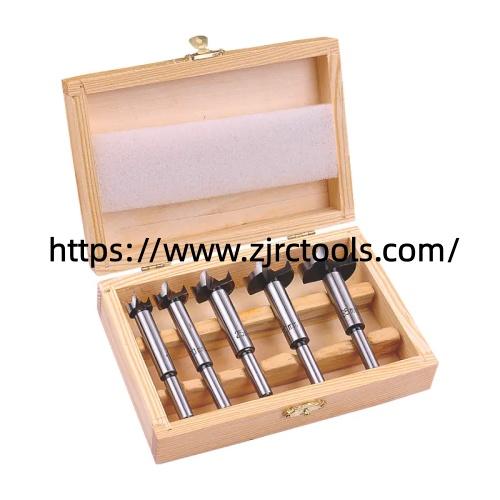
CNC Milling Cutter selection should begin with the material being processed because aluminum, carbon steel, stainless steel, plastics, and other workpieces create different cutting conditions. Hardness, thermal behavior, abrasiveness, chip formation, and work hardening tendencies can all affect the appropriate geometry, flute arrangement, coating, and cutting parameters. A material based approach gives manufacturers a clearer starting point when selecting tooling for CNC production.
Aluminum is relatively soft, but that does not mean every cutter configuration will provide the same machining result. The material can produce long chips and may adhere to an unsuitable cutting edge. For many aluminum applications, two or three flutes with generous chip space can support chip evacuation. A sharper edge and polished flute surface may also help reduce material buildup. High helix geometry is commonly considered when smooth cutting and efficient chip removal are important.
Steel requires a different balance. Carbon steel and alloy steel generally call for greater edge strength and rigidity than softer non ferrous materials. Four flute configurations are commonly used as a starting point, while coating selection can depend on cutting temperature, hardness, machining speed, and the required operation. Roughing, pocketing, profiling, and finishing may each require a different geometry even when the workpiece belongs to the same material family.
Stainless steel deserves additional attention because heat management and work hardening can influence machining behavior. Excessive rubbing or unsuitable cutting conditions can increase heat and place additional stress on the cutting edge. Variable pitch or variable helix designs can be considered where vibration control is important. The correct choice should also account for machine rigidity, coolant delivery, tool engagement, and the depth of each pass.
When machining hardened materials or mold steel, edge stability becomes increasingly important. A corner radius configuration can distribute cutting stress more effectively than a sharp corner in applications where the part design permits it. Ball nose options may be appropriate for curved surfaces and three dimensional mold features, while flat end designs can suit planar machining and general contour work. The required geometry should therefore follow the shape and operation rather than being selected only by diameter.
Plastics and other non metallic materials also need their own consideration. Chip evacuation, heat buildup, and melting behavior can become more important than simple hardness. A configuration that performs well on steel may not be suitable for plastic because the cutting conditions and thermal response are different. Manufacturers should consider flute space, edge sharpness, spindle speed, feed rate, and cooling or air assistance according to the specific material.
Cutter diameter is another factor that should not be considered separately from the workpiece. A larger diameter can provide greater rigidity, while a smaller diameter may be necessary for narrow slots, detailed profiles, or compact features. Tool overhang should also be kept appropriate for the operation because excessive extension can increase deflection and vibration. Holder accuracy and machine condition can influence the final result as much as the cutter itself.
Flute count is useful as an initial reference, but it should never be the only purchasing criterion. Two and three flute designs can provide greater chip space for certain softer materials, while four or more flutes can offer additional edge engagement and rigidity for selected steel and finishing operations. Helix angle, core design, cutting length, coating, and corner geometry should be reviewed together with the intended toolpath.
For manufacturers purchasing tools in batches, it is helpful to provide the supplier with detailed application information. Workpiece grade, machine model, spindle capability, operation type, required diameter, cutting depth, expected production volume, and surface requirements can help narrow the suitable configuration. This approach is more useful than selecting a cutter simply because its dimensions appear compatible with the machine.
Zjrctools focuses on CNC cutting solutions for different machining requirements, allowing manufacturers to consider tooling according to workpiece characteristics and production conditions. For buyers handling several materials, a clear selection process can also make communication with suppliers easier and reduce unnecessary trial and adjustment during production.
Before confirming an order, manufacturers can test the selected configuration on representative material and inspect chip shape, surface condition, cutting noise, heat, and dimensional stability. These observations can help determine whether the geometry and machining settings are working together as intended. Buyers looking for suitable options can review the available products at https://www.zjrctools.com/product/ and compare configurations according to their specific processing requirements. This material focused approach helps connect the tooling choice with the actual production task rather than relying on a one configuration solution.

 French