


The Invisible Economy: An In-Depth Overview of the Global Data Broker Industry
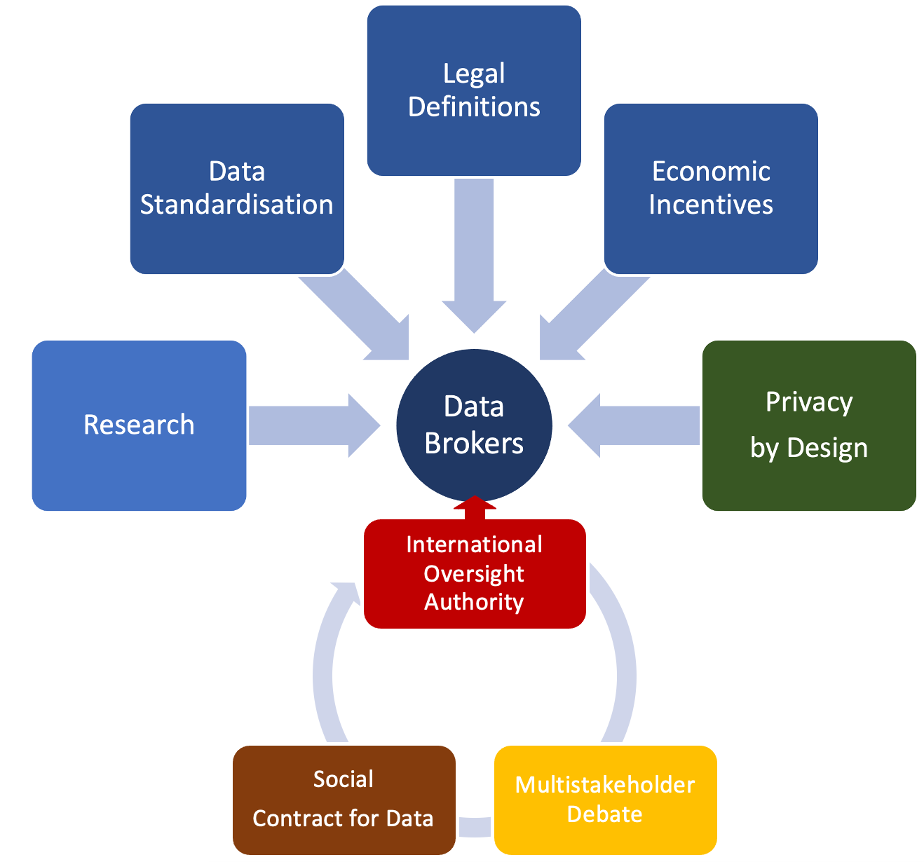
In the vast digital universe where every click, search, and purchase leaves a trace, a powerful and often misunderstood industry operates behind the scenes. The global Data Broker industry is a multi-billion-dollar sector dedicated to the collection, aggregation, analysis, and sale of consumer data. These companies, also known as information brokers or data providers, gather information from a multitude of sources—public records, online surveys, social media profiles, and commercial transactions—and compile it into detailed individual and household profiles. These profiles, which can include everything from demographic information and purchasing habits to interests and life events, are then licensed to other businesses for a variety of purposes, most commonly for targeted marketing, identity verification, and risk assessment. It is an industry that fuels the engine of modern data-driven marketing and decision-making, but one that also exists at the epicenter of the global debate around privacy, consent, and the ethical use of personal information.
The Core Business Model: Aggregation, Segmentation, and Monetization
The business model of the data broker industry is a sophisticated, multi-stage process. The first stage is data aggregation. Data brokers cast a wide net, collecting information from thousands of disparate sources. This includes publicly available data like property records, court filings, and voter registrations. It also includes commercial data purchased from retailers, credit card companies, and magazine publishers, as well as self-reported data from online surveys, contests, and warranty registrations. The second, and most crucial, stage is data enhancement and segmentation. Raw data is cleaned, cross-referenced, and appended to create rich, detailed profiles of individuals and households. Using advanced analytics, brokers then segment these profiles into thousands of different categories, such as "likely new home-buyer," "fitness enthusiast," "expecting parent," or "high net-worth individual." The final stage is monetization. These segmented data lists and individual profiles are then sold or licensed to other businesses, who use them to target their advertising, personalize their marketing messages, verify customer identities, or assess the risk of a potential customer.
The Key Players: From Credit Bureaus to Marketing Specialists
The data broker industry is not a monolith but is comprised of several distinct types of players, each with a different focus. One of the most well-known categories are the major credit reporting agencies like Experian, Equifax, and TransUnion. While their primary business is credit reporting, they also have massive marketing data divisions that sell consumer data for purposes beyond credit. Another major category consists of large, specialized marketing data brokers like Acxiom and Epsilon. These companies are giants in the field, maintaining databases with information on hundreds of millions of consumers globally, and they are the primary data providers for many of the world's largest brands. There is also a vast and fragmented ecosystem of smaller, niche data brokers who specialize in specific types of data, such as data on healthcare professionals, automobile owners, or specific B2B industries. The rise of the digital age has also given birth to a new generation of brokers who specialize exclusively in online behavioral data, tracking web browsing habits and app usage.
Future Outlook: The Age of AI, Regulation, and Consumer Awareness
Looking ahead, the future of the data broker industry will be profoundly shaped by three powerful forces: artificial intelligence, increasing regulation, and growing consumer awareness. AI and machine learning will enable brokers to perform even more sophisticated analysis and create more granular and predictive consumer segments, increasing the value of their data. However, this will be balanced by a global wave of new privacy regulations. Inspired by Europe's GDPR and California's CCPA, more and more jurisdictions are enacting laws that give consumers greater control over their data, including the right to access, delete, and opt-out of its sale. This regulatory pressure is forcing the industry to become more transparent and to invest heavily in compliance and consent management technologies. Finally, as consumers become more aware and concerned about how their data is being used, the industry will face increasing public scrutiny. The data brokers that will thrive in the future will be those who can adapt to this new reality by building more ethical, transparent, and consent-driven business models.
➤ In-Depth Market Studies by Market Research Future:

 English