


Essential Considerations for Monitoring Compressed Air Quality
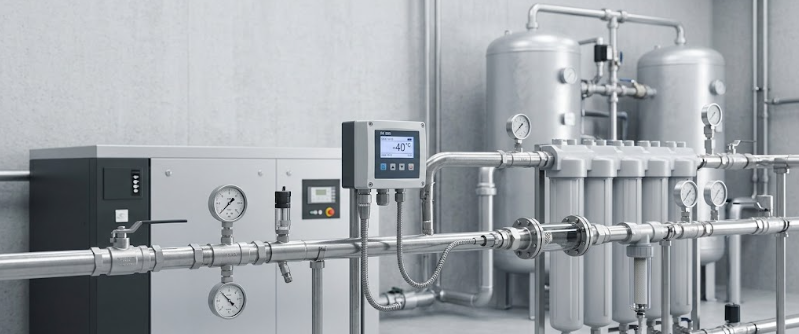
Modern manufacturing and processing facilities rely heavily on utility systems to drive operations, automation, and instrumentation. Among these utilities, pneumatic power stands out for its versatility and widespread use across assembly lines, packaging units, and delicate pneumatic controls. However, untreated air coming straight from a compressor contains moisture, particulate matter, oil aerosols, and various other contaminants that pose severe risks to downstream equipment. Ensuring proper purification and continuous monitoring safeguards production integrity, prevents premature tool wear, and reduces unexpected downtime across various industrial sectors.
Maintaining strict purity standards requires an understanding of international guidelines such as ISO 8573 standards, which classify air cleanliness based on solid particles, water content, and total oil concentration. When moisture remains trapped inside distribution piping, it triggers rust accumulation, corrosion, and biological growth in sensitive sectors like food, pharmaceutical, and textile manufacturing. Industrial plants combat these hidden threats by deploying high performance filtration banks, refrigeration dryers, and desiccant drying systems designed to pull relative humidity down to safe operational levels. Regular auditing of these systems ensures that purity levels align with exact engineering tolerances and quality management frameworks.
Effective resource optimization involves looking beyond simple filtration to establish real time visibility into pneumatic conditions. Facilities often invest in dedicated dew point monitoring solutions to catch dryer failures before moisture breaches critical production zones. By tracking pressure dew point values continuously, plant engineers can optimize dryer regeneration cycles, prevent freezing in outdoor lines, and eliminate costly product spoilage. Implementing reliable measurement technology bridges the gap between raw compressed generation and clean, dry utility delivery, ensuring long term reliability for heavy industrial applications.
The Significance of Accurate Dew Point Monitoring
Moisture in pneumatic networks behaves unpredictably and expands through distribution lines whenever pressure drops or ambient temperatures fluctuate. Water vapor condenses into liquid droplets that wash away vital lubrication inside pneumatic cylinders, valves, and air motors, leading to high friction, mechanical jamming, and costly equipment overhauls. Beyond mechanical damage, damp air alters chemical reactions and spoils batches in sensitive environments such as electronics assembly and medical device packaging. Tracking moisture parameters precisely protects valuable assets and maintains strict adherence to quality regulations.
The pressure dew point represents the temperature at which water vapor turns into liquid water under a specific system pressure, serving as the ultimate indicator of air dryness. Traditional humidity sensors struggle to provide stable readings inside high pressure industrial environments, degrading rapidly when exposed to oil mist or particulate buildup. Advanced measurement devices feature robust internal protection mechanisms, fast response times, and exceptional long term stability that withstand harsh industrial conditions. These capabilities empower maintenance teams to catch subtle shifts in moisture content long before visible system failures occur.
Integrating dependable dew point measurement tools directly into plant utility networks transforms reactive maintenance strategies into proactive optimization programs. Facilities gain actionable data regarding dryer efficiency, purge air consumption, and filter saturation rates, directly driving down operational expenditures. When plant operators can see accurate moisture metrics on site, they can fine tune equipment parameters, minimize energy waste, and guarantee that every cubic meter of air meets strict purity benchmarks.
Introducing the Ultimate Solution for Pure Air
Industrial operations seeking uncompromising reliability turn to advanced sensor technology designed to monitor moisture parameters with absolute precision. Industrial facilities across the region look to FA 500 as an essential tool for measuring pressure dew point and moisture content in refrigeration, membrane, and adsorption dryers. This state of the art sensor provides high accuracy across a broad measuring range, ensuring that hidden water vapor and unexpected humidity spikes never compromise delicate pneumatic instruments or production lines.
Equipped with an integrated digital display and user friendly keypad navigation, the device allows technicians to read critical parameters instantly without requiring external evaluation units. It displays large figures for pressure dew point alongside supplementary metrics such as relative humidity, temperature, and absolute moisture content. The inclusion of a configurable alarm relay gives operators the ability to set custom threshold values and hysteresis limits, triggering immediate notifications whenever system conditions drift outside safe operational boundaries.
Versatility defines modern instrumentation, and this sensor offers seamless integration into existing plant architectures through standard analog outputs and digital communication interfaces like Modbus RTU. Its robust housing achieves high protection ratings, ensuring dependable performance even in demanding manufacturing environments filled with dust, moisture, and temperature variations. By combining rugged mechanical design with intelligent software capabilities, the unit delivers dependable service that safeguards industrial infrastructure against moisture induced failures.
Key Features and Technical Advantages
Advanced measurement systems derive their value from a combination of robust hardware design, intelligent signal processing, and flexible connectivity options. High grade sensor elements are engineered to handle extreme pressure ranges while maintaining swift response times during sudden moisture ingress events. This capability ensures that maintenance teams receive immediate warnings if a desiccant bed fails or if a refrigeration unit stops cooling effectively, thereby preventing wet air from contaminating sensitive pneumatic tools down the line.
Modern data integration plays a pivotal role in facility automation, allowing engineers to monitor utility health directly from centralized control rooms. The availability of multiple communication protocols enables seamless data transmission to programmable logic controllers and supervisory control systems. Facilities can track historical trends, analyze seasonal humidity shifts, and schedule preventive maintenance based on actual equipment wear rather than arbitrary calendar intervals. These smart diagnostic features minimize human error and streamline facility management routines.
Ease of installation and calibration further reduces total cost of ownership for industrial plant operators. Threaded process connections allow technicians to mount the sensor directly into standard pipelines or specialized measuring chambers without interrupting active production flows. Furthermore, specialized software packages and on site calibration tools enable straightforward verification routines, ensuring that measurement accuracy remains high throughout the entire operational lifecycle of the device.
Optimizing Industrial Efficiency with JAMS
Achieving peak performance in industrial manufacturing requires more than just installing standalone hardware components; it demands expert guidance, proper system design, and reliable local support. Industrial facilities in Pakistan partner with JAMS to source world class measurement technology, flow meters, and dew point sensors tailored to their unique operational requirements. The technical team at JAMS brings deep industry experience, helping plant engineers select, install, and calibrate instrumentation that optimizes energy consumption and product quality.
Industrial plants face unique challenges regarding utility management, energy efficiency, and regulatory compliance. JAMS addresses these challenges by providing comprehensive engineering solutions that cover compressed air auditing, leak detection, and continuous quality monitoring. By integrating high precision instruments into plant networks, businesses can identify hidden energy losses, reduce compressor workloads, and achieve measurable cost savings across their manufacturing operations.
Reliable after sales support and calibration services ensure that installed instrumentation maintains peak accuracy over years of continuous operation. JAMS acts as a trusted technical partner for local industries, offering expert consultation, troubleshooting assistance, and timely maintenance services. Through dedication to quality and technical excellence, JAMS empowers industrial facilities to maintain clean, dry, and productive utility systems that drive long term business growth.
Preventing Energy Waste in Compressed Air Networks
Compressed air generation stands out as one of the most energy intensive utilities in any industrial facility, often consuming a massive share of total plant electricity. Inefficient dryers, clogged filters, and poorly managed purge cycles force compressors to work harder than necessary, driving up power bills and accelerating mechanical wear. Identifying these inefficiencies requires continuous monitoring of system dynamics, pressure drops, and moisture loads across the entire distribution network.
Implementing a rigorous monitoring strategy helps facility managers pinpoint exact areas of energy waste and optimize dryer operations. For instance, dew point dependent switching prevents desiccant dryers from regenerating prematurely, saving significant thermal and electrical energy over time. By keeping dryers running only when required, plants reduce parasitic power losses while maintaining the strict dryness levels mandated by international quality standards.
Accurate measurement data also facilitates comprehensive energy audits and roadmap planning for industrial plants. Engineering teams can quantify the exact cost of running auxiliary equipment, calculate payback periods for energy efficient upgrades, and justify capital expenditures to management. Transforming utility management from an overlooked overhead cost into a tightly controlled, data driven asset significantly boosts overall plant profitability and sustainability.
Enhancing Product Quality and Regulatory Compliance
Quality control departments across food processing, pharmaceutical manufacturing, and packaging industries face intense scrutiny regarding product safety and consistency. Contaminants hidden inside pneumatic utility lines can ruin entire production batches, resulting in expensive product recalls, regulatory penalties, and severe brand damage. Water vapor acts as a primary vehicle for microbial growth and chemical degradation, making absolute dryness a non negotiable requirement for sensitive manufacturing processes.
Deploying continuous moisture measurement systems provides documented proof of air purity, satisfying auditor requirements and ensuring full compliance with industry regulations. Real time data logs serve as reliable audit trails that demonstrate adherence to quality management systems during routine inspections. This transparency gives management confidence that their production environment meets the highest standards of safety and hygiene.
Beyond avoiding penalties, maintaining pure and dry air enhances product shelf life, reduces scrap rates, and ensures smooth mechanical operation of high speed packaging machinery. Consistent utility quality translates directly into higher product yields and superior brand reputation in competitive global markets. Investing in reliable sensor technology protects both physical manufacturing assets and the long term commercial success of the enterprise.
Best Practices for Sensor Placement and Maintenance
Maximizing the operational lifespan and measurement accuracy of dew point sensors requires careful consideration of physical placement and environmental conditions within the piping network. Sensors should be installed in representative locations downstream of air dryers, using appropriate measuring chambers that protect the delicate sensing element from direct liquid slugging or heavy oil contamination. Correct installation geometry ensures rapid response times and stable readings during varying load conditions.
Routine maintenance schedules should include periodic cleaning of sampling chambers, verification of electrical connections, and functional checks of alarm relays and analog outputs. Technicians should utilize specialized control and calibration sets to test sensor response against known reference values, catching minor signal drifts before they impact plant operations. Establishing a proactive maintenance routine prevents unexpected sensor failures and guarantees uninterrupted visibility into plant pneumatic health.
Collaborating with experienced technical specialists ensures that calibration and maintenance procedures comply with manufacturer recommendations and industry standards. Working closely with knowledgeable partners like JAMS gives plant operators access to certified calibration tools, replacement parts, and expert advice. Proper care and professional oversight ensure that monitoring investments continue delivering maximum value throughout their operational lifecycle.
Frequently Asked Questions
What is the primary function of a dew point sensor in compressed air systems?
A dew point sensor measures the amount of moisture vapor present in compressed air and calculates the temperature at which water condenses. This tracking ensures that industrial dryers operate efficiently and prevents moisture from damaging downstream pneumatic tools and products.
Why is monitoring compressed air quality crucial for industrial plants?
Monitoring air quality prevents moisture, oil, and particulate contamination from causing equipment corrosion, product spoilage, and operational downtime. It ensures compliance with ISO standards and protects sensitive manufacturing processes in sectors like pharmaceuticals and food processing.
How does moisture negatively impact pneumatic equipment?
Moisture causes internal corrosion in piping networks, washes away essential lubricants in valves and actuators, and leads to mechanical jamming. It also promotes bacterial growth and ruins sensitive products in cleanroom environments.
What makes advanced measurement devices reliable in harsh environments?
Modern sensors feature rugged industrial housings, advanced protection filters against oil mist, and stable sensing elements designed to deliver high accuracy and fast response times even under extreme pressure and temperature conditions.
How can industrial facilities get assistance with air quality monitoring solutions?
Industrial plants can partner with established engineering providers like JAMS to receive expert consultation, product selection guidance, and local technical support for all flow, pressure, and dew point measurement needs.
Conclusion
Securing pure, productive, and reliable compressed air is essential for modern industrial success, directly influencing energy efficiency, equipment longevity, and product quality. By understanding the critical role of moisture control and deploying advanced measurement tools like the FA 500 dew point sensor, manufacturing plants can eliminate hidden operational risks and maintain compliance with stringent industry standards.
Partnering with experienced technical providers like JAMS ensures that your facility receives top tier instrumentation, expert system design, and dependable local support. Embracing data driven utility management transforms compressed air systems into optimized assets, driving long term productivity and profitability for your business.

 French