


Fibre Laser Power (kW) Explained: How Much Do You Really Need
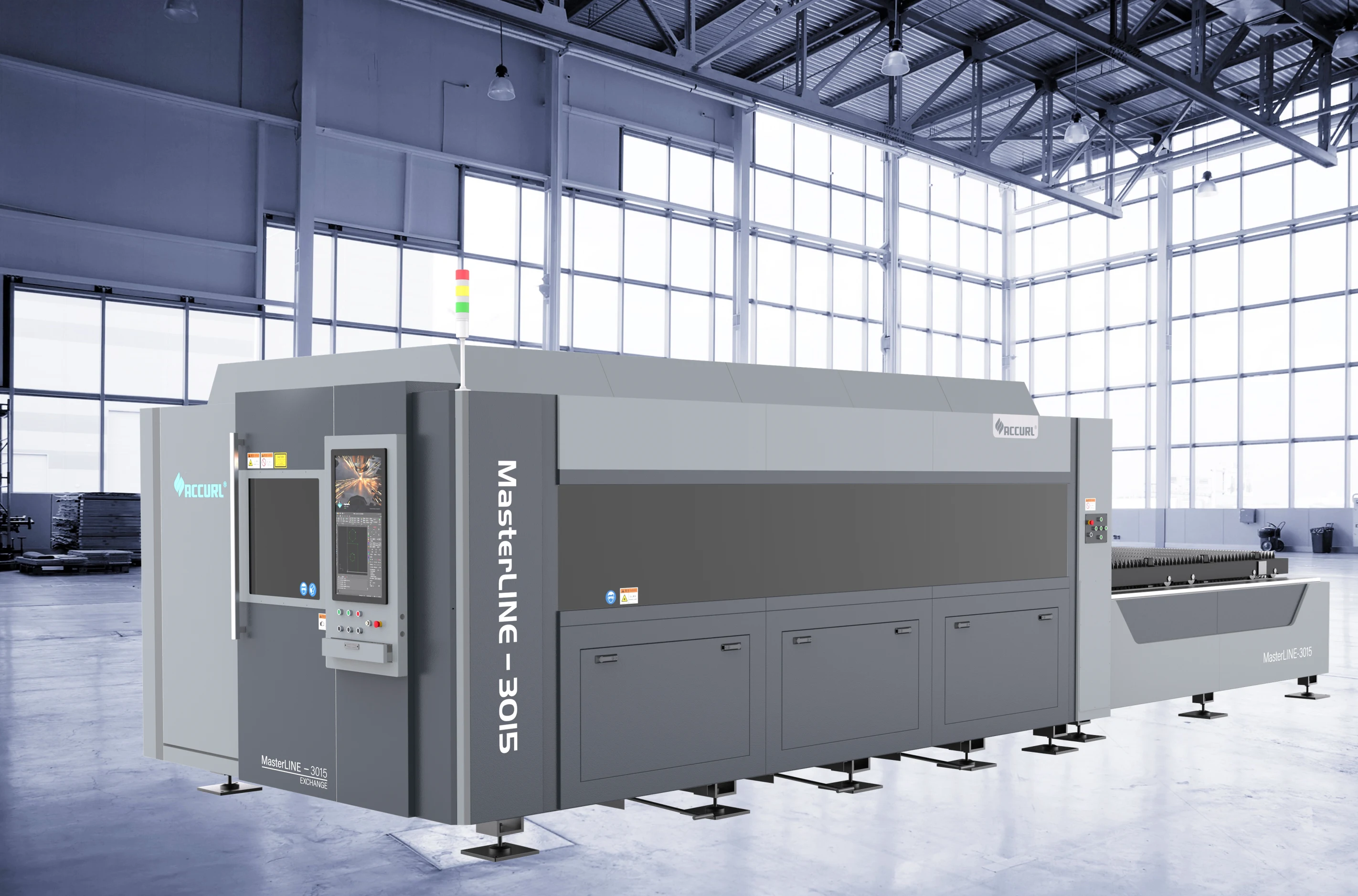
What Does "kW" Actually Mean on a Fiber Laser Cutter?
The kilowatt (kW) rating on a fiber optic laser cutting machine refers to the maximum output power of the laser source itself — essentially, how much energy the machine can concentrate into the cutting beam. Higher power generally means:
- Faster cutting speeds, especially on thicker material
- The ability to cut thicker plate without excessive dwell time
- Cleaner edges on thicker cuts, where lower-power machines can struggle with dross and heat distortion
But higher power isn't automatically "better" — it's only better if your material thickness and production volume actually justify it. A laser fiber cutter running well above the power you need adds unnecessary capital cost, higher energy consumption, and in some cases reduced precision on thin materials.
Fiber Laser Power vs Material Thickness: A Quick Reference
The table below gives a general guide to how power level maps to practical cutting capability across common laser metal cutting machine applications. Exact figures vary by manufacturer, gas assist type, and material grade, but this reflects typical industry benchmarks.
| Laser Power | Mild Steel | Stainless Steel | Aluminium | Typical Use Case |
|---|---|---|---|---|
| 1kW–2kW | Up to 6mm | Up to 4mm | Up to 3mm | Light sheet metal, signage, prototyping |
| 3kW | Up to 12mm | Up to 8mm | Up to 6mm | General fabrication, small-to-medium job shops |
| 6kW | Up to 20mm | Up to 16mm | Up to 12mm | Mid-volume production, structural components |
| 12kW+ | Up to 35mm+ | Up to 25mm+ | Up to 20mm+ | Heavy industrial, thick plate cutting |
If your work is mostly thin laser cutter metal sheet jobs, investing in a 12kW machine is usually money spent on capability you'll rarely use. Conversely, a 1kW machine trying to cut 20mm plate will be slow, inefficient, and likely to produce poor edge quality.
How to Work Out the Right Power for Your Business
1. Identify Your Most Common Material Thickness — Not Your Occasional Job
It's tempting to size a machine around the thickest material you might ever need to cut. But if 90% of your work is under 10mm and only 10% occasionally reaches 20mm, a mid-range fiber laser cutting machine paired with outsourcing the rare thick job is usually more cost-effective than buying for the exception.
2. Factor in Production Volume, Not Just Thickness
Power affects speed as much as capability. Two shops cutting identical 8mm steel will get very different throughput from a 3kW machine versus a 6kW machine — the higher-power unit can cut significantly faster, which matters if you're running high volumes rather than occasional jobs.
3. Consider Material Type, Not Just Steel
A laser steel cutting machine rated for a given thickness in mild steel won't necessarily handle the same thickness as cleanly in stainless steel or aluminium — both are more reflective and thermally conductive, which affects cut quality and speed at a given power level. If your work spans multiple materials, size your machine around the most demanding material you cut regularly.
4. Account for Future Growth — Within Reason
It's reasonable to buy slightly ahead of current needs if you expect volume or material thickness to increase within the next 1–3 years. What doesn't make sense is buying two or three power tiers above your realistic near-term needs "just in case."
Common Power Levels Explained
1kW–2kW fiber laser cutters are best suited to thin sheet metal work — signage, brackets, light enclosures — where speed on thin material and lower running costs matter more than thick-plate capability.
3kW fiber laser cutting machines remain one of the most popular choices for general fabrication shops, offering a strong balance across a wide range of thicknesses without the higher energy costs of larger systems.
6kW machines suit shops handling a mix of general fabrication and heavier structural work, where cutting speed on mid-thickness plate directly affects throughput and profitability.
12kW and above are typically reserved for heavy industrial applications — shipbuilding, heavy equipment manufacturing, structural steel — where thick plate is the norm rather than the exception.
Why Overbuying Power Costs More Than It Saves
A higher-powered fiber optic laser cutter isn't just a bigger upfront investment — it also brings:
- Higher electricity consumption, even when cutting thin material
- Increased servicing and consumable costs over the machine's lifetime
- In some cases, reduced precision on very thin material, where excess power can cause heat distortion or an oversized kerf
Matching power to actual production needs — rather than defaulting to the highest spec available — is almost always the more profitable long-term decision.
Frequently Asked Questions
Can a low-power fiber laser cutter still cut thick steel, just more slowly? To a point, yes — but below a certain power threshold, cut quality on thick material degrades significantly (increased dross, rougher edges, heat-affected zones), so it's not simply a speed trade-off.
Is a higher kW fiber laser cutting machine always more expensive to run? Not necessarily per cut on thick material, where a higher-powered machine can be faster and more energy-efficient overall — but on thin material, an oversized machine typically costs more to run than necessary.
What's the most versatile power range for a general fabrication shop? For shops cutting a mix of material thicknesses up to around 12–16mm, 3kW–6kW machines tend to offer the best balance of versatility, speed, and running cost.
Do different materials need different power levels for the same thickness? Yes — reflective and highly conductive materials like aluminium and copper generally require more power than mild steel to achieve the same cutting quality at a given thickness.
Choosing the Right Fiber Laser Cutting Machine for Your Operation
Getting the power rating right on a laser metal cutting machine is one of the most important decisions in the buying process — it affects your upfront cost, ongoing running costs, and day-to-day production capacity for years to come. If you're weighing up options and want guidance specific to the materials and thicknesses you work with most, get in touch for tailored advice on choosing the right machine for your shop.

 French