


What Happens to a Japanese Car Between the Auction Yard and the Port?
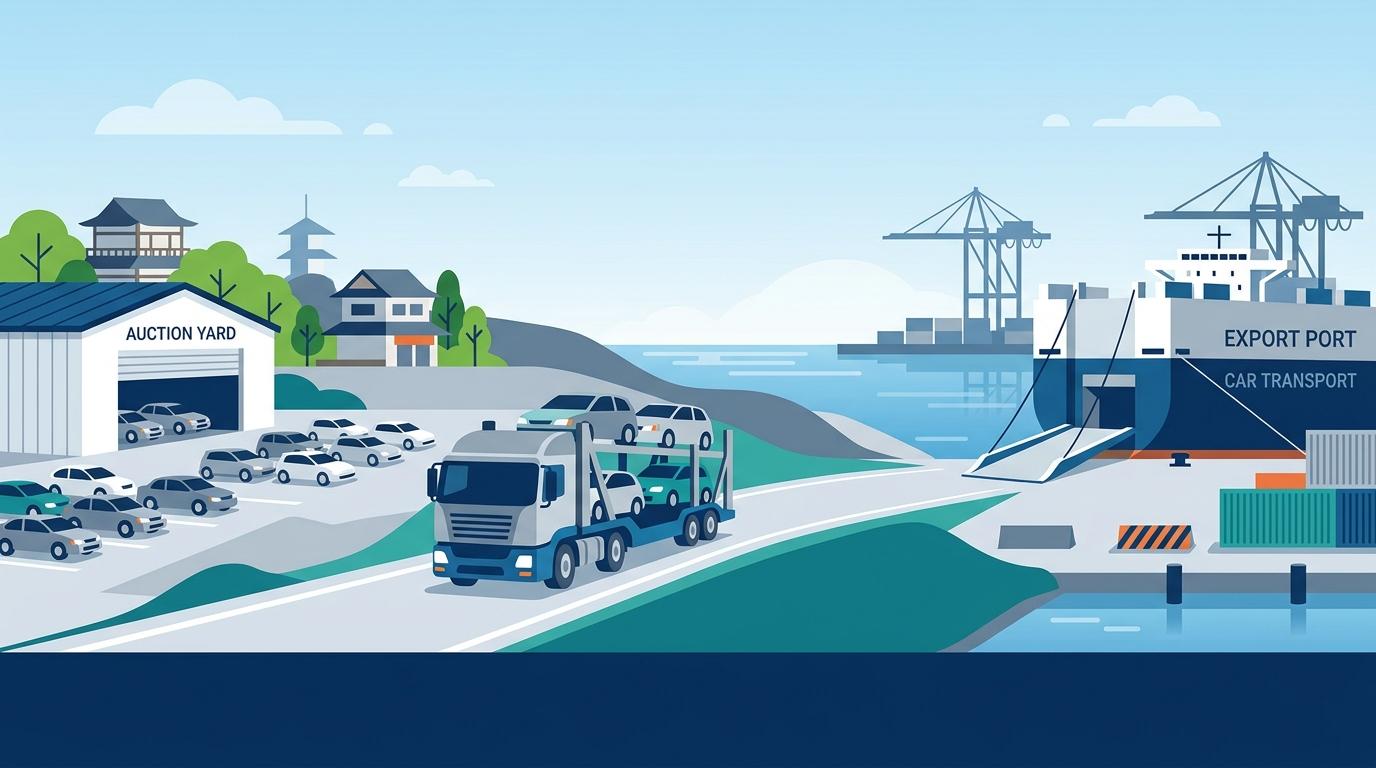
Buying a vehicle from Japan involves far more than winning an auction and waiting for a ship to arrive. Between the auction yard and the port, a Japanese car passes through a carefully coordinated chain of inspections, documentation, transportation, preparation, and export procedures. Understanding these stages gives buyers a clearer picture of how Japanese Stock Cars move from domestic auction facilities toward international markets.
For buyers considering Japanese imported cars in Pakistan, this journey is particularly important because every stage can influence the vehicle’s condition, delivery timeline, and overall import experience.
The Journey Begins at the Auction Yard
Once a vehicle is purchased at a Japanese auction, it does not immediately head toward the port. The auction operator or exporter first completes the necessary transaction procedures and prepares the vehicle for release.
The car is usually collected from the auction premises by a designated transport service. Depending on the auction location and the destination port, this may involve a relatively short domestic journey or a longer trip across several prefectures.
Before transportation, essential auction documentation is reviewed. Details such as the chassis number, auction grade, mileage, vehicle specifications, and buyer information must correspond correctly with the purchased unit.
This initial verification is crucial. A minor discrepancy in documentation can create complications later during export processing.
Vehicle Collection and Domestic Transportation
After the auction confirms the sale, the vehicle is assigned for transportation. Japanese vehicle logistics are generally highly organized, with specialized carriers moving cars between auction facilities, storage yards, inspection locations, and ports.
The vehicle may travel on a car carrier rather than being driven extensively on public roads. This helps reduce unnecessary mileage and limits exposure to road conditions before export.
The timing of this stage depends on several variables, including the auction's location, traffic conditions, transport availability, weather, and the distance to the selected port.
For Japanese Stock Cars, efficient domestic transportation is essential because export schedules often operate according to fixed vessel departures. Missing a shipping cutoff can result in additional storage time and a later sailing.
Additional Inspection and Verification
Although the vehicle has already undergone an auction inspection, exporters may conduct additional checks before shipment. These checks are not necessarily a second auction inspection; instead, they help confirm that the vehicle being prepared for export corresponds to the purchased unit.
The chassis number, engine details, mileage, exterior condition, and identifying features may be reviewed. Any accessories or items included with the vehicle can also be checked.
This stage provides another layer of accountability. Auction sheets remain an important reference, but verifying the physical vehicle before export helps reduce the possibility of administrative or logistical mistakes.
Cleaning and Export Preparation
Depending on the exporter and destination, the vehicle may receive basic cleaning before shipment. Dirt, mud, leaves, and other debris accumulated during storage or transportation can be removed.
Export preparation may also include checking the battery, securing loose components, removing prohibited personal belongings, and ensuring the vehicle is suitable for loading.
However, buyers should distinguish between export preparation and refurbishment. A vehicle being prepared for shipment does not necessarily undergo mechanical restoration or cosmetic detailing. The extent of preparation varies according to the exporter, vehicle, and agreed service.
Export Documentation
One of the most important stages occurs before the vehicle reaches the vessel: documentation.
Japanese vehicle exports require various documents and administrative procedures. Depending on the destination and circumstances, these can include export-related certificates, commercial documentation, shipping information, and other paperwork required by Japanese authorities and the destination country.
The exporter must ensure that the vehicle information remains consistent across relevant documents. Chassis numbers, vehicle descriptions, consignee information, and shipping details must be handled accurately.
For Pakistani buyers, this documentation becomes particularly significant because the vehicle will eventually pass through customs and registration procedures in Pakistan.
Arrival at the Port
Once domestic transportation is complete, the vehicle arrives at the designated export port. Japan has several major ports involved in automobile exports, and the choice can depend on the auction's location, shipping schedules, carrier availability, and destination.
At the port, the vehicle enters another controlled stage of the export process. It may be placed in a designated storage or holding area while awaiting vessel loading.
The car does not necessarily board the first ship available. Exporters must coordinate the vehicle with a specific sailing, shipping booking, documentation deadline, and port cutoff.
Port Inspection and Handling
Port operators handle large volumes of vehicles, so organized identification and positioning are essential. Vehicles are recorded and arranged according to their shipping instructions.
Depending on the shipping method, the car may be prepared for RoRo transportation or another approved shipping arrangement. RoRo, or Roll-on/Roll-off shipping, allows vehicles to be driven onto and off the vessel using ramps.
Before loading, the vehicle's identity and shipping information are checked again. This repeated verification helps maintain the chain of custody from the auction yard to the vessel.
Loading Onto the Ship
When the assigned vessel arrives, vehicles are moved from the port holding area to the ship. In RoRo operations, cars are driven aboard and positioned within the vessel's designated vehicle decks.
The vehicle is secured appropriately to minimize movement during the voyage. Once loading is completed and the vessel clears its departure procedures, the Japanese car begins its international journey.
At this point, the responsibility shifts from domestic Japanese logistics toward maritime transportation and destination-side import procedures.
What Buyers Should Understand About the Process
The journey from auction to port explains why buying a Japanese vehicle is not simply a matter of selecting a car from an auction sheet. Several independent stages must function correctly.
A delay at the auction yard can affect domestic transportation. A transportation delay can cause the vehicle to miss a port cutoff. Documentation problems can postpone export processing, while vessel scheduling can influence the overall delivery timeline.
For buyers of Japanese imported cars in Pakistan, understanding this chain makes shipping updates much easier to interpret. A vehicle may appear to be "waiting" even though several legitimate logistical steps are taking place behind the scenes.
Why Reliable Export Coordination Matters
The period between auction purchase and vessel departure is characterized by numerous handovers. The auction facility, transport company, exporter, port operator, shipping line, and destination-side agents may all become involved.
A reliable exporter coordinates these moving parts and keeps the buyer informed about meaningful milestones. Proper documentation, accurate vehicle identification, timely transportation, and appropriate port handling can make the difference between a smooth export and an unnecessarily complicated one.
For buyers exploring Japanese Stock Cars, this behind-the-scenes journey is worth understanding. The vehicle's story does not end when the auction hammer falls. Instead, that moment marks the beginning of a carefully orchestrated export process that ultimately takes the car from a Japanese auction yard to an overseas port and, eventually, to its new owner.

 English