


Residential and Commercial Ant Control Strategies
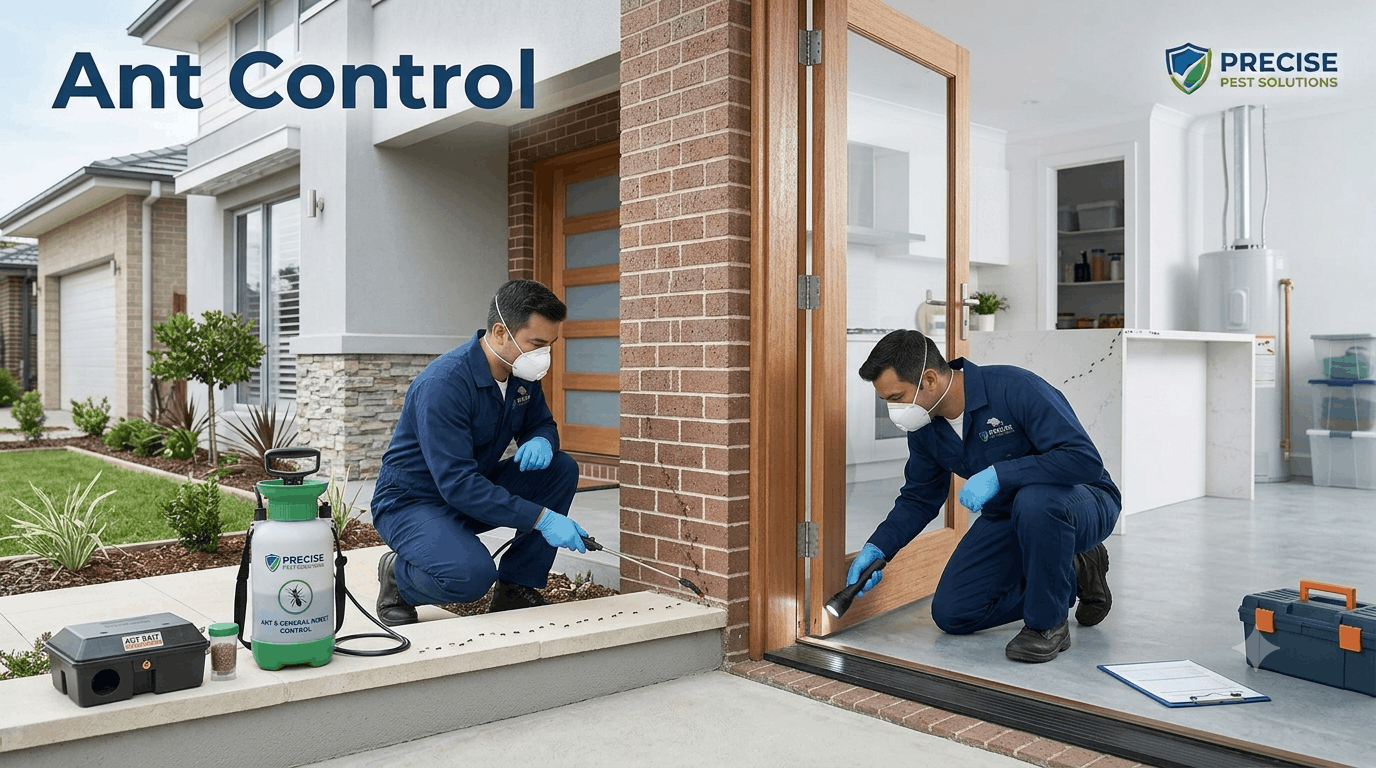
Ant infestations are a common problem for both homeowners and businesses, particularly when ants find easy access to food, water, and shelter. Professional Ant Control services can help identify the species, locate nesting areas, eliminate active colonies, and reduce the conditions that attract ants. Whether the problem involves a few ants in the kitchen or a large colony around a commercial property, using the right combination of treatment and prevention is essential for long-term pest management.
Understanding Ant Infestations
Ants are social insects that typically live in colonies. When worker ants discover a reliable source of food or water, they leave chemical trails that guide other members of the colony toward the same location. This is why seeing a few ants can sometimes indicate a much larger problem nearby.
Common ants found around residential and commercial properties include:
-
Carpenter ants
-
Pavement ants
-
Odorous house ants
-
Argentine ants
-
Fire ants
-
Pharaoh ants
Different species have different nesting habits and food preferences. Correct identification is therefore an important first step in developing an effective ant management strategy.
Why Ants Enter Homes and Businesses
Ants are primarily attracted to three basic necessities: food, water, and shelter. Even small amounts of food residue can attract worker ants.
Common attractants include:
-
Crumbs and food particles
-
Sugary drinks and foods
-
Pet food
-
Open garbage containers
-
Grease and cooking residue
-
Leaking pipes and faucets
-
Standing water
-
Moist wood
-
Cracks and structural gaps
Poor sanitation is not always the cause of an infestation. Even well-maintained properties can experience ant problems when environmental conditions provide suitable nesting or feeding opportunities.
Residential Ant Control Strategies
Homes offer numerous opportunities for ants to find food and shelter. Kitchens, bathrooms, basements, garages, and gardens are common areas where ant activity may be noticed.
1. Identify Entry Points
Start by observing where ants are entering the property. Common entry points include gaps around doors and windows, foundation cracks, utility openings, plumbing penetrations, and damaged seals.
Sealing these openings can help reduce access to the interior.
2. Keep Food Properly Stored
Food should be stored in sealed containers, especially sweets, cereals, pet food, and other items that may attract ants. Countertops should be cleaned regularly, and food spills should be addressed promptly.
3. Maintain Kitchen Hygiene
Regularly clean areas under appliances, around countertops, and inside cabinets. Even small food particles can become an attractive food source for ants.
4. Manage Moisture
Leaking pipes, damp cabinets, clogged gutters, and excessive moisture around the foundation can create favorable conditions for certain ant species.
Repairing leaks and improving ventilation can make the environment less attractive to ants.
5. Maintain Outdoor Areas
Trim tree branches and shrubs away from the building where possible. Remove piles of wood, leaves, and other debris near the foundation that could provide potential nesting locations.
Commercial Ant Control Strategies
Ant infestations can create additional challenges for businesses. Restaurants, food-processing facilities, hotels, warehouses, offices, and retail locations may be particularly vulnerable because they often provide food, moisture, and shelter.
Commercial properties should focus on both immediate treatment and ongoing prevention.
Inspect High-Risk Areas
Regular inspections should cover:
-
Kitchens and food preparation areas
-
Storage rooms
-
Break rooms
-
Garbage areas
-
Loading docks
-
Bathrooms
-
Exterior walls
-
Landscaping
-
Utility rooms
-
Foundations and entry points
Finding activity early can help prevent an infestation from spreading throughout a facility.
Improve Sanitation
Businesses should establish consistent cleaning procedures. Food debris, grease, spilled beverages, and garbage should not be allowed to accumulate.
Commercial kitchens should receive particular attention because even small sanitation issues can provide ants with an ongoing food source.
Protect Food Storage Areas
Food products should be stored in sealed containers and kept off the floor where appropriate. Regularly inspect packaging for signs of insect activity.
Waste containers should remain tightly closed and cleaned regularly to minimize odors and food residue.
Maintain Exterior Areas
Landscaping should be managed to reduce direct pathways into the building. Vegetation touching exterior walls can provide ants with convenient access.
Cracks around foundations, doors, windows, and utility lines should also be inspected and sealed.
Professional Ant Treatment
When an infestation is established, professional treatment can provide a more systematic approach than simply eliminating visible ants.
A professional pest management program may include:
-
Inspection – Identify ant species and activity areas.
-
Nest identification – Determine likely nesting locations.
-
Treatment selection – Choose an appropriate control method.
-
Colony management – Target the infestation rather than only visible workers.
-
Exclusion – Seal potential entry points.
-
Sanitation recommendations – Remove food and moisture sources.
-
Follow-up inspections – Monitor activity and adjust the treatment if necessary.
The goal is to address the underlying colony and reduce the possibility of recurring activity.
Why Treating Only Visible Ants May Not Work
One of the biggest mistakes property owners make is focusing only on the ants they can see. Worker ants are often responsible for searching for food while the colony remains hidden.
Killing visible workers may provide temporary relief, but other ants can continue using the same entry point. In some cases, the colony may be located inside walls, beneath flooring, around foundations, or in outdoor soil.
Effective ant management should therefore focus on understanding where the ants are coming from and why they are entering the property.
Ant Baits and Targeted Treatments
Ant baits are commonly used as part of integrated pest management. Worker ants may carry bait back to the colony, allowing the treatment to reach ants that are not immediately visible.
However, baiting strategies depend on the ant species and the colony's feeding preferences. Improperly selected or placed treatments may not provide the desired results.
Professional pest technicians can evaluate activity and determine which treatment approach is most appropriate for the specific infestation.
Preventing Ant Infestations
Prevention is one of the most effective ways to reduce recurring ant activity. Both homeowners and business owners can take practical steps to make their properties less attractive to ants.
Seal Cracks and Gaps
Inspect the foundation, walls, windows, doors, and utility openings regularly. Seal cracks and gaps that could provide ants with access.
Eliminate Food Sources
Clean spills immediately, store food securely, and avoid leaving pet food exposed for extended periods.
Control Moisture
Repair leaking plumbing and improve drainage around the property. Keep areas such as basements, crawl spaces, and storage rooms dry when possible.
Clean Garbage Areas
Use sealed garbage containers and clean areas around waste storage regularly. This is especially important for restaurants and commercial facilities.
Remove Outdoor Nesting Opportunities
Keep firewood, construction materials, leaves, and organic debris away from building foundations.
Seasonal Ant Activity
Ant activity can vary throughout the year. Warmer temperatures often increase outdoor activity, while changes in weather may cause ants to search for food and shelter indoors.
During periods of increased activity, property owners should pay closer attention to kitchens, bathrooms, foundations, gardens, and other areas where ants commonly appear.
Early detection can make control easier and reduce the risk of a larger infestation.
Integrated Pest Management for Ant Control
Integrated Pest Management (IPM) combines inspection, sanitation, exclusion, monitoring, and targeted treatment. Instead of relying entirely on pesticides, IPM addresses the environmental factors that allow pests to survive.
For ant control, an IPM approach may involve:
-
Identifying the ant species
-
Monitoring activity
-
Locating entry points
-
Removing food and water sources
-
Improving sanitation
-
Sealing structural gaps
-
Using targeted treatments when necessary
-
Conducting follow-up inspections
This approach can be particularly valuable for commercial properties where pest prevention must be maintained continuously.
When to Call a Professional
Professional assistance may be appropriate when ants continue appearing despite cleaning and sealing efforts, when nests are difficult to locate, or when activity is widespread.
You should consider professional pest management if you notice:
-
Large numbers of ants indoors
-
Ants repeatedly returning to the same areas
-
Carpenter ant activity around wood
-
Ants emerging from walls or ceilings
-
Multiple active trails
-
Persistent infestations despite DIY treatments
-
Ant activity in food-handling areas
A professional inspection can help determine whether the issue is limited to occasional activity or represents an established colony.
Long-Term Ant Prevention
Effective ant control is not simply about eliminating insects that are visible today. Long-term prevention requires addressing the conditions that allow ants to establish colonies.
Homeowners should regularly inspect their property for cracks, leaks, food residue, and outdoor nesting areas. Businesses should combine routine sanitation with pest inspections and preventive maintenance.
By combining Ant Control services with proper sanitation, structural exclusion, moisture management, monitoring, and targeted treatment, property owners can significantly reduce the risk of recurring infestations.
Conclusion
Ant infestations can affect homes and businesses in different ways, but the fundamentals of effective control remain similar: identify the species, locate activity, eliminate attractants, address entry points, and manage the colony appropriately.
Residential properties can benefit from good kitchen hygiene, secure food storage, moisture control, and regular inspections. Commercial facilities require a more structured approach involving sanitation programs, employee awareness, routine inspections, and preventive pest management.
Whether you're dealing with occasional ants or a persistent colony, combining professional treatment with practical prevention strategies offers a stronger path toward long-term control. A comprehensive approach can help protect your property, maintain a cleaner environment, and prevent small ant problems from developing into larger infestations.

 French