


How Can Proper Load Planning Improve Generator Panel Performance?
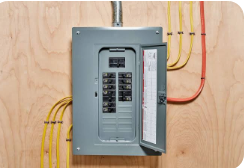
Proper load planning keeps a generator panel from being overworked or underused, which directly affects how long it lasts and how reliably it performs during an outage. Too many facilities size their panels based on rough guesses instead of actual calculated demand, and that mistake shows up later as tripped breakers, overheating, or premature failure. Getting the math right from the start solves most of these problems before they ever happen.
Why Load Planning Matters More Than People Think
I once walked into a facility where the maintenance manager could not figure out why their panel kept tripping during peak production hours. After going through their equipment list with him, it became obvious that nobody had actually sat down and calculated the real load demand before installing the system. They had simply guessed based on the size of the building, which is a mistake I see more often than you would expect. This kind of oversight happens across all sizes of systems, and it is just as common in small operations as it is with 200 amp power input panels running mid sized commercial equipment.
Calculating Actual Load Requirements
Getting load planning right starts with listing every piece of equipment that will draw power during an outage, not just the obvious ones like lighting and HVAC. Motors, pumps, and anything with a compressor pull a heavier startup surge than their running wattage suggests, and skipping that detail leads to panels that seem fine on paper but fail in real conditions. I always walk clients through both the starting and running wattage for each device, since that gap is where most sizing mistakes happen. Getting this number right the first time saves a lot of headaches later, especially when the system actually gets tested during a real outage.
Balancing Critical and Non Critical Circuits
Not every circuit deserves equal priority when the power goes out, and smart load planning accounts for that reality. Critical circuits, like refrigeration, medical equipment, or servers, need guaranteed power even if it means shedding less essential loads temporarily. I have worked with clients who wanted everything running at once during an outage, and walking them through why that plan would overload the system usually changes their mind pretty quickly. Prioritizing loads properly means the generator and panel work within their actual capacity instead of straining against limits they were never built to handle.
Real World Impact of Getting Load Planning Right
A few years ago, I consulted alongside a team from Roam Technologies on a mixed use commercial building, and their approach to load planning genuinely impressed me. Instead of guessing, they mapped out every circuit, calculated peak demand across different scenarios, and built in a reasonable safety margin. The system ran for years afterward without a single overload issue, which is honestly rare for a building with that many different tenants pulling power at different times.
Common Load Planning Mistakes to Avoid
Over the years I have seen the same load planning mistakes show up again and again, usually because someone skipped a step to save time or money upfront. Here are the ones I run into most often:
-
Sizing the panel based on square footage instead of actual equipment load
-
Forgetting to account for motor startup surges versus running wattage
-
Treating every circuit as equally critical during an outage
-
Skipping a safety margin that allows for future equipment additions
-
Failing to reassess load needs after adding new machinery or systems
Avoiding these mistakes from the start makes a noticeable difference in how the panel performs once it actually gets tested.
Planning for Future Growth
Load planning should never be a one time calculation done during installation and forgotten afterward. Facilities grow, equipment gets added, and demand shifts over time, so a panel sized perfectly for today might struggle five years down the road. Building in some extra capacity from the beginning, even if it costs a bit more upfront, saves the expense and headache of a full panel replacement later. I always tell clients that a little breathing room in the initial sizing pays for itself many times over once the facility inevitably grows.
Final Thoughts
Proper load planning is the difference between a generator panel that performs reliably for decades and one that struggles from the day it gets installed. Taking the time to calculate real demand, prioritize critical circuits, and plan for future growth prevents most of the common failures I see in the field. It is a step that takes extra effort upfront, but it pays off every single time the power actually goes out.

 French