


The Jacket Styles Bringing New Character to Modern Wardrobes
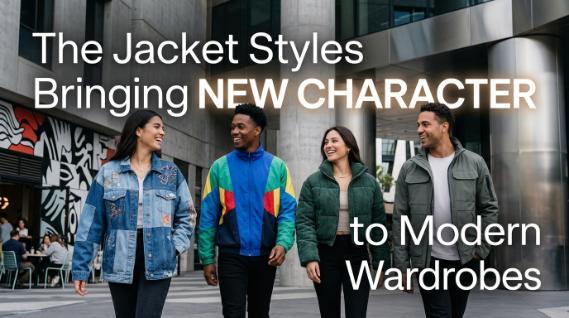
Modern wardrobes are no longer built around rigid categories. The best-dressed looks increasingly combine comfort, personality, utility, and cultural influence, allowing one garment to perform several roles throughout the day. Jackets, in particular, have become powerful tools for expressing individual style while adding structure and visual interest to otherwise simple outfits.
From relaxed hooded layers to performance-inspired streetwear and coordinated athletic pieces, today's jacket landscape offers something for virtually every aesthetic. A well-chosen outer layer can transform a basic T-shirt and jeans into a considered casual look, give activewear a more distinctive edge, or add personality to an understated weekend outfit.
This shift is also changing how people think about wardrobe building. Instead of collecting large quantities of similar clothing, many consumers are looking for distinctive pieces that can work across multiple settings. The result is a renewed appreciation for versatile jackets that balance recognizable design with everyday practicality.
Why Jackets Have Become Central to Contemporary Style
A jacket occupies an unusually influential position within an outfit. Unlike smaller accessories that may be noticed only after closer inspection, outerwear often establishes the first visual impression. Its silhouette, color, graphics, fabric, and detailing can determine whether an outfit feels sporty, rebellious, polished, relaxed, or fashion-forward.
There is also a practical reason for the growing importance of layering. Modern lifestyles frequently involve moving between different environments. Someone might commute to work, meet friends for coffee, spend an afternoon outdoors, and attend a casual evening event without returning home to change. A versatile jacket makes those transitions easier.
Designers have responded by blending traditionally separate categories. Streetwear borrows from athletic apparel, luxury fashion incorporates utilitarian construction, and casualwear increasingly uses technical materials. This crossover has produced jackets that are comfortable enough for everyday wear while still possessing a strong visual identity.
Hoodies: The Foundation of Relaxed Layering
Few garments demonstrate the evolution of casual fashion as clearly as the hoodie. Once associated primarily with athletic training and leisurewear, the hooded sweatshirt has become a dependable component of contemporary wardrobes. Its appeal comes from an effective combination of warmth, comfort, practicality, and effortless styling.
The modern hoodie can serve as a lightweight jacket during mild weather or as a middle layer beneath heavier outerwear when temperatures fall. Zip-front versions are particularly useful because they allow the wearer to regulate warmth without removing the entire garment. Pullover styles, meanwhile, offer a cleaner and more traditional streetwear silhouette.
Graphic and character-driven hoodies add another dimension. Rather than functioning solely as practical layers, they allow wearers to communicate interests, affiliations, humor, or nostalgia through clothing. A distinctive sincerely yours hoodie, for example, can become a focal point within an otherwise minimal outfit, especially when paired with neutral trousers and understated footwear.
Styling a hoodie successfully often depends on proportion. Oversized hoodies work naturally with straight-leg or relaxed trousers, while more fitted designs can complement denim, cargo pants, or tapered joggers. Layering also creates opportunities to experiment with texture: a cotton hoodie beneath a denim, nylon, or leather jacket introduces contrast without requiring elaborate accessories.
What Makes a Hoodie Versatile?
- Comfort: Soft fleece and jersey fabrics make hoodies suitable for long periods of wear.
- Layering potential: They can function as either outer layers or insulating mid-layers.
- Visual identity: Graphics, embroidery, colors, and typography can make a hoodie highly distinctive.
- Seasonal flexibility: Lightweight versions work in transitional weather, while heavyweight options provide additional warmth.
- Easy styling: Hoodies pair naturally with denim, cargos, joggers, shorts, and casual outerwear.
Streetwear Graphics Are Giving Outerwear More Personality
One of the strongest developments in contemporary fashion is the movement toward garments with an unmistakable point of view. Consumers are increasingly drawn to clothing that feels expressive rather than generic. Graphic outerwear answers that demand through bold logos, energetic color combinations, recognizable cultural references, and unconventional artwork.
This aesthetic works particularly well within streetwear because the category has always treated clothing as a form of visual communication. A graphic jacket can carry the energy of a favorite brand, sport, music scene, entertainment property, or subculture while remaining practical enough for everyday use.
The monster energy hoodie represents this broader approach to expressive casualwear. Its appeal comes not simply from being a hooded garment, but from the recognizable visual language associated with high-energy branding. Pieces with strong graphic identities can instantly give a basic wardrobe more character.
When styling graphic outerwear, balance is important. A highly detailed jacket generally benefits from simpler supporting pieces. Solid-color trousers, clean sneakers, and restrained accessories allow the statement layer to remain the focal point. Alternatively, experienced streetwear enthusiasts may build intentional visual repetition by coordinating colors from the jacket with footwear, caps, or other accessories.
Tech-Inspired Jackets and Tracksuits Blur the Line Between Fashion and Function
Another major influence on modern wardrobes is the rise of performance-inspired design. Consumers have become accustomed to clothing that moves easily, dries quickly, resists light weather, and remains comfortable during extended wear. Those expectations have gradually migrated from traditional sportswear into mainstream casual fashion.
Technical jackets often use lightweight synthetic fabrics, streamlined seams, adjustable components, and functional pockets. Their visual language tends to be clean and architectural, making them easy to integrate into minimalist wardrobes. They also work particularly well for urban environments where people need clothing that can adapt to changing conditions.
Tracksuits have undergone a similar transformation. Once viewed primarily as training apparel, coordinated track jackets and trousers are now common components of lifestyle wardrobes. Their appeal is partly aesthetic: matching pieces create a deliberate silhouette with minimal styling effort.
Contemporary examples can also introduce design details associated with premium sportswear, including tapered construction, contrast panels, technical textiles, and streamlined branding. The result is a category that feels simultaneously athletic and fashion-conscious.
How the Athleisure Aesthetic Is Changing Jacket Design
Athleisure has influenced more than what people wear to the gym. It has changed expectations surrounding everyday clothing. Consumers increasingly want garments that provide the mobility of sportswear without looking out of place in social settings.
This has encouraged designers to focus on adaptable silhouettes. A track jacket, lightweight bomber, or technical zip-up can be worn with matching trousers for a coordinated appearance or separated into individual pieces for greater versatility.
The maduro nike tech aesthetic illustrates the appeal of technical fleece and coordinated athletic styling within contemporary casual dressing. Tech-inspired pieces can bring a sharper edge to everyday outfits while preserving the comfort that has become a defining expectation of modern apparel.
For consumers, the key is understanding where performance details add genuine value. A jacket does not need dozens of technical features to be useful. Strategic choices such as breathable fabric, secure pockets, comfortable cuffs, and a well-designed hood can have a much greater impact on everyday wearability.
A Practical Comparison of Modern Jacket Styles
| Jacket Style | Key Characteristic | Best For | Styling Direction |
|---|---|---|---|
| Hoodie | Comfortable, relaxed construction | Casual days and layering | Denim, cargos, joggers, sneakers |
| Graphic Hoodie | Bold visual identity | Streetwear and expressive outfits | Neutral bottoms and statement sneakers |
| Track Jacket | Sport-inspired silhouette | Urban casualwear and athleisure | Matching trousers or relaxed denim |
| Technical Jacket | Function-focused materials | Commuting and transitional weather | Minimalist trousers and performance footwear |
| Bomber Jacket | Structured, compact silhouette | Versatile everyday dressing | T-shirts, knitwear, denim, chinos |
Building a More Versatile Jacket Collection
A strong jacket collection does not necessarily need to be large. The goal should be to cover different functional and stylistic situations without accumulating pieces that perform essentially the same role.
Someone building a wardrobe from scratch can begin with a dependable neutral jacket. Black, navy, olive, charcoal, or beige options are particularly easy to coordinate. From there, a sport-inspired layer can introduce comfort and movement, while a graphic or color-forward piece can provide personality.
It is also worth considering the climate and lifestyle for which each jacket is intended. Someone who primarily walks or cycles through the city may value weather resistance and secure pockets, while a person focused on social occasions may prioritize silhouette and visual detail.
A Simple Approach to Choosing Your Next Jacket
- Identify the primary purpose. Decide whether you need warmth, weather protection, layering capability, or primarily visual impact.
- Assess your existing wardrobe. Choose colors and silhouettes that complement the clothing you already own.
- Consider fabric performance. Look at weight, breathability, stretch, durability, and care requirements.
- Choose the right proportion. Consider how the jacket sits over your usual shirts, sweaters, or hoodies.
- Prioritize repeat wear. A distinctive jacket is valuable when its design is interesting enough to stand out but versatile enough to wear regularly.
Color and Texture Are Becoming More Important
Modern jacket styling is not solely about silhouette. Texture and color can dramatically change how an outer layer interacts with the rest of an outfit. Matte technical fabrics create a different impression from glossy nylon, brushed fleece, washed denim, or smooth leather.
Neutral colors remain wardrobe staples because they work across seasons and trends. However, character often comes from carefully selected accents. A bright logo, contrasting zipper, colored panel, embroidered detail, or distinctive print can make a familiar jacket feel considerably more individual.
Texture is equally useful when creating layered outfits. Combining fleece with denim, cotton with nylon, or a smooth technical fabric with knitwear introduces subtle depth. These combinations prevent monochromatic outfits from appearing flat without relying on excessive patterns.
Why Versatility Matters More Than Trend Chasing
Fashion trends can move quickly, but useful design principles tend to last much longer. A jacket that fits properly, feels comfortable, and works with several categories of clothing is likely to remain valuable after a particular trend has disappeared.
This does not mean avoiding fashionable styles. Instead, the smartest approach is to combine trend-aware details with dependable foundations. A contemporary colorway or graphic can provide freshness, while a familiar silhouette keeps the garment approachable.
Versatility also encourages more thoughtful consumption. When one jacket can be worn across multiple occasions and seasons, it has greater practical value than a highly specialized piece that rarely leaves the closet.
Frequently Asked Questions (FAQs)
What jacket styles are most versatile for everyday wear?
Hoodies, bomber jackets, lightweight track jackets, and technical outer layers are among the most adaptable choices. The best option depends on climate, personal style, and how frequently the jacket needs to transition between casual and active settings.
How can I style a graphic hoodie without making an outfit look too busy?
Keep the rest of the outfit relatively simple. Solid-color trousers, understated footwear, and minimal accessories allow the graphic element to remain the centerpiece while maintaining a balanced overall appearance.
Are tracksuits suitable for everyday casual outfits?
Yes. Modern tracksuits are increasingly designed as lifestyle garments rather than exclusively athletic clothing. Wearing the jacket separately with denim, cargos, or simple trousers can make the look more versatile.
Should I prioritize function or appearance when buying a jacket?
The ideal choice balances both. A jacket should suit your lifestyle and climate while also fitting your personal aesthetic. If a garment looks excellent but is uncomfortable or impractical, it is unlikely to become a genuine wardrobe staple.
How can I make a small wardrobe feel more distinctive?
Use outerwear strategically. A small collection of well-chosen jackets in complementary colors and contrasting styles can dramatically expand the number of outfits available without requiring a large overall wardrobe.
Give Your Wardrobe a Stronger Point of View
The modern jacket is far more than a layer designed to keep the weather out. It has become a vehicle for personal expression, a bridge between athletic and casual dressing, and an easy way to introduce texture, color, and character into everyday outfits.
Whether your preference leans toward relaxed hoodies, bold graphic streetwear, technical athleisure, or understated layering pieces, the right jacket can redefine familiar wardrobe staples. Instead of following every short-lived trend, focus on distinctive designs that deliver comfort, versatility, and a clear sense of personality.
Start with the styles that naturally fit your lifestyle, then experiment with proportions, textures, and layering. The result is a modern wardrobe that feels more intentional—and far more like your own.

 French